Category:The Amazon
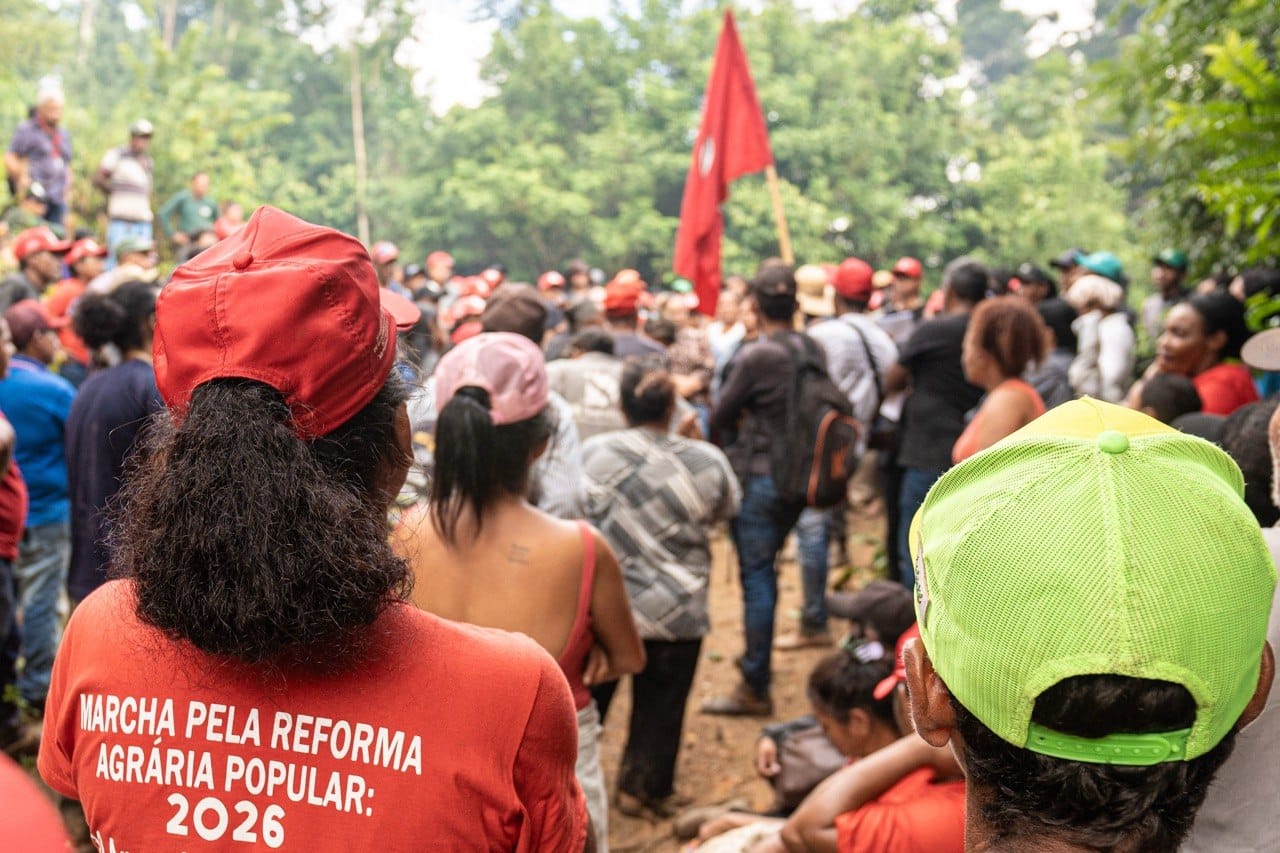
Pará police encircle 1,000 rural workers
Prosecutors warn of risk of violence and rights violations

Reporting, photos & video from the Brazilian Amazon 🇧🇷. Fulbright scholar. Pulitzer Center grantee. What if “saving the Amazon” — and us — means finally listening to its traditional peoples?
Category:The Amazon
Prosecutors warn of risk of violence and rights violations

Dateline:BELÉM, Brazil
License of Canadian gold mine by Pará's agency is blasted by Juruna leader
Dateline:BELÉM, Brazil
Belém protest targets Canadian Belo Sun mining project on the Xingu River
Dateline:BELÉM, Brazil
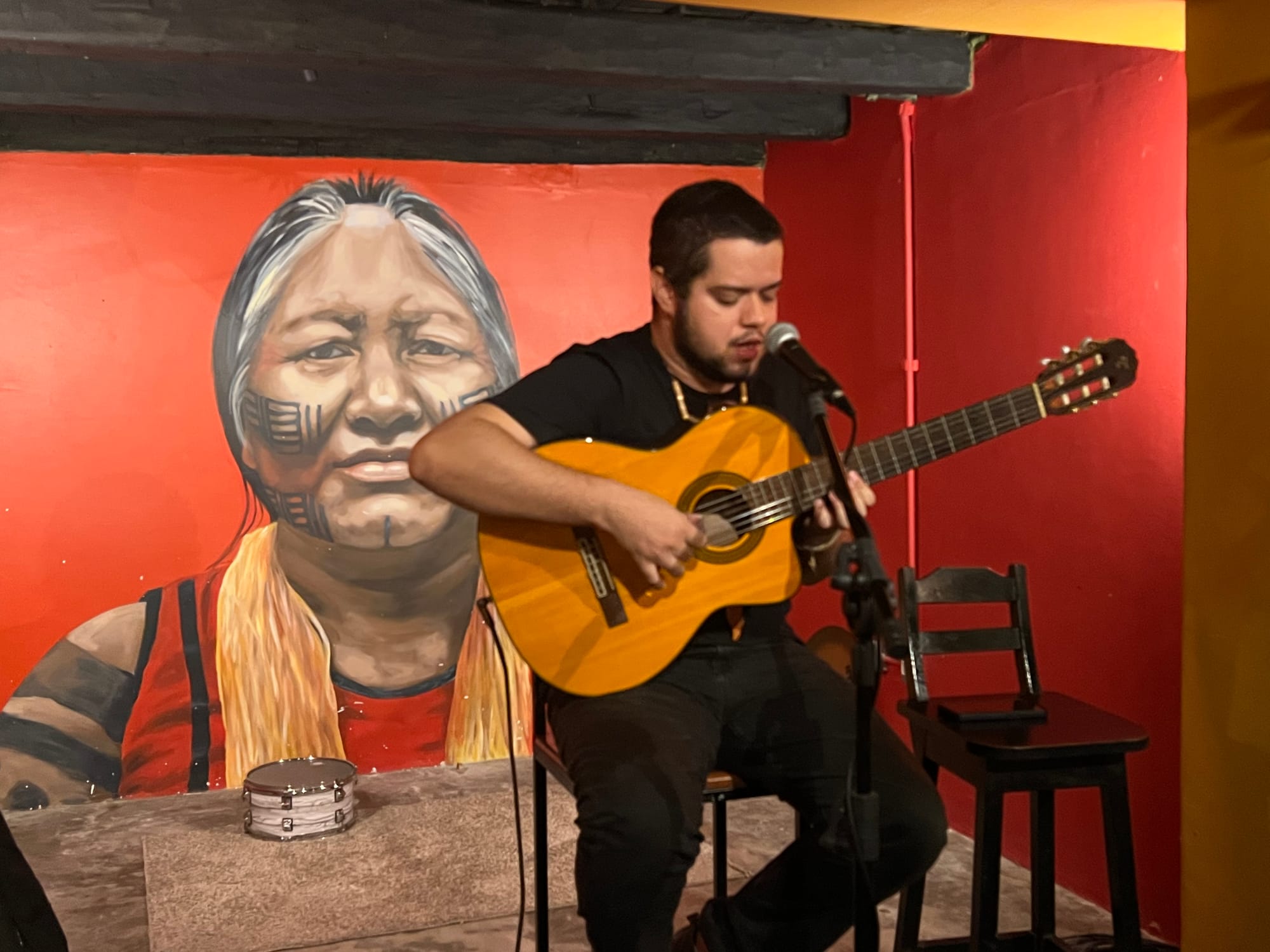
Amazonian arts unmake the mind of winter
Dateline:BELÉM, Brazil
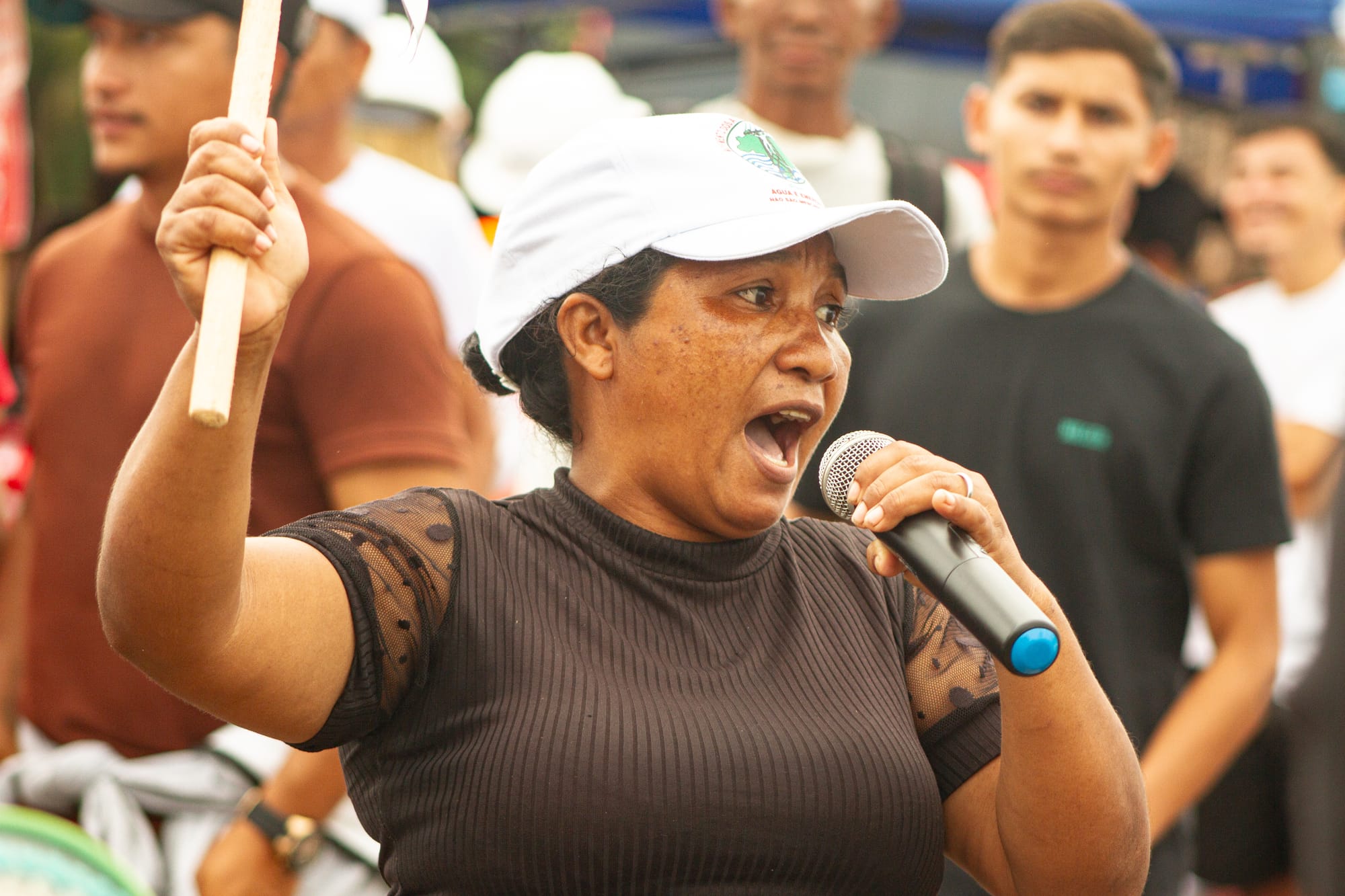
Riverfolk demand halt to Tocantins shipping channel
Category:Latin America
Dateline:BELÉM, Brazil
Conceição fishes the Lourenção Rocks. Brazil says her community won't be impacted when they explode the fishery for a channel on the Tocantins River. She blocked the Transamazonian Highway in protest.
Category:Brazil
Category:Brazil
U.S. terror label on gangs sparks alarm

Category:Brazil
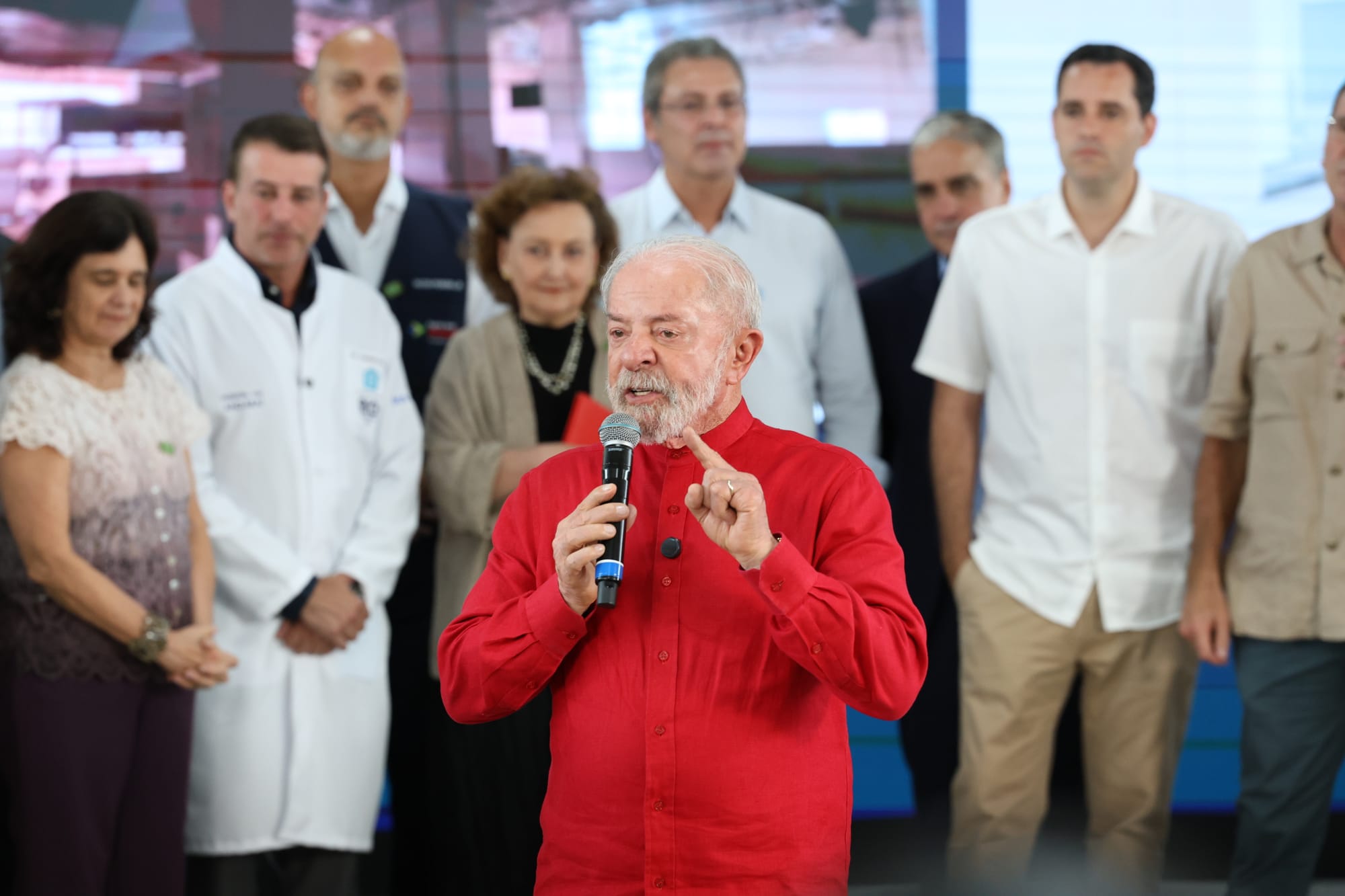
The U.S. is reportedly planning to designate Brazilian criminal organizations as terrorist organizations. The prospect has sparked alarm in Brazil this week, with fears of U.S. interference in the country’s politics ahead of the presidential election.
Category:The Amazon
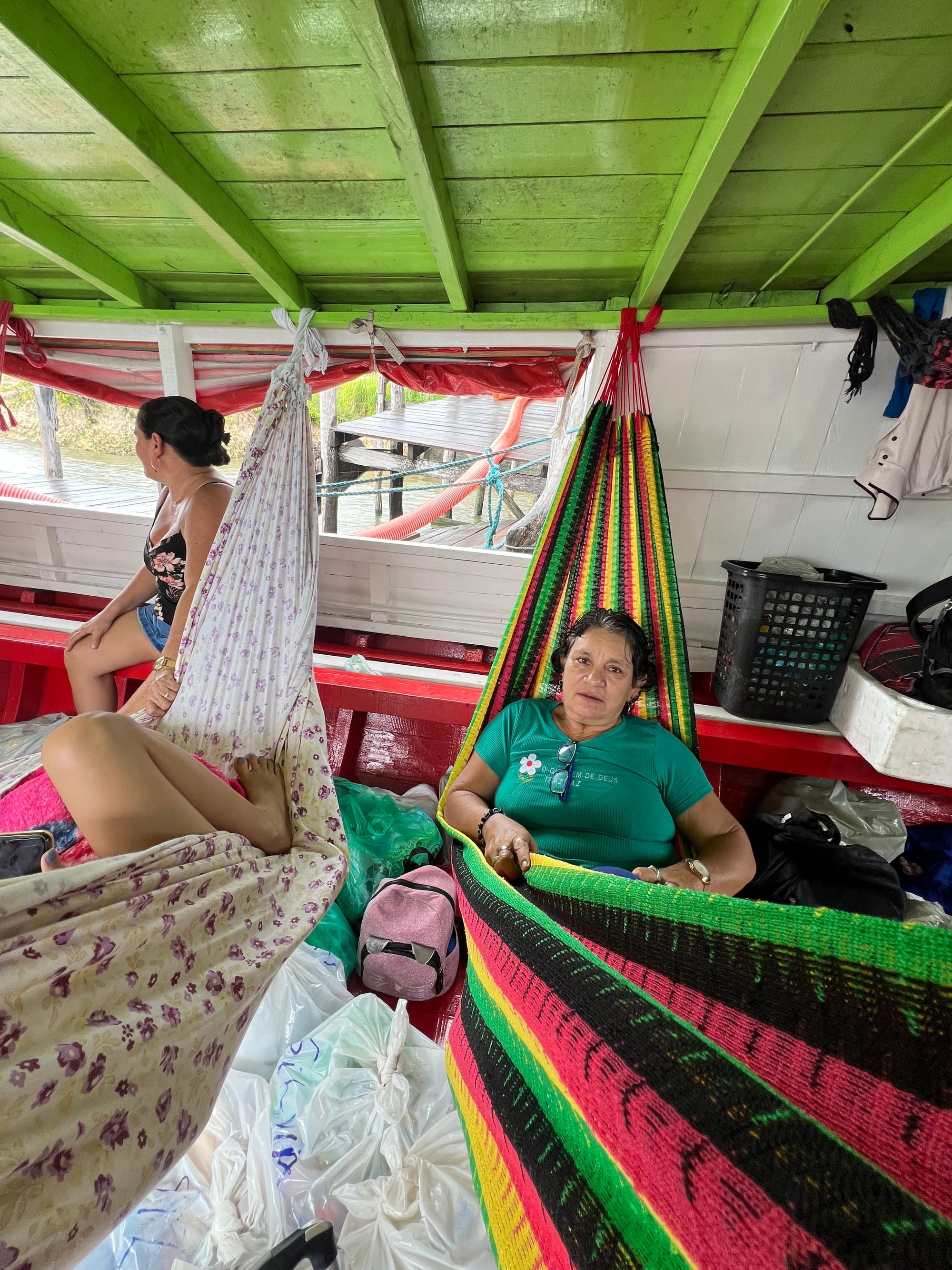
Cametá is busy, in Pará state in the Brazilian Amazon, as everyone anticipates the opening of the fishing season
Category:The Amazon
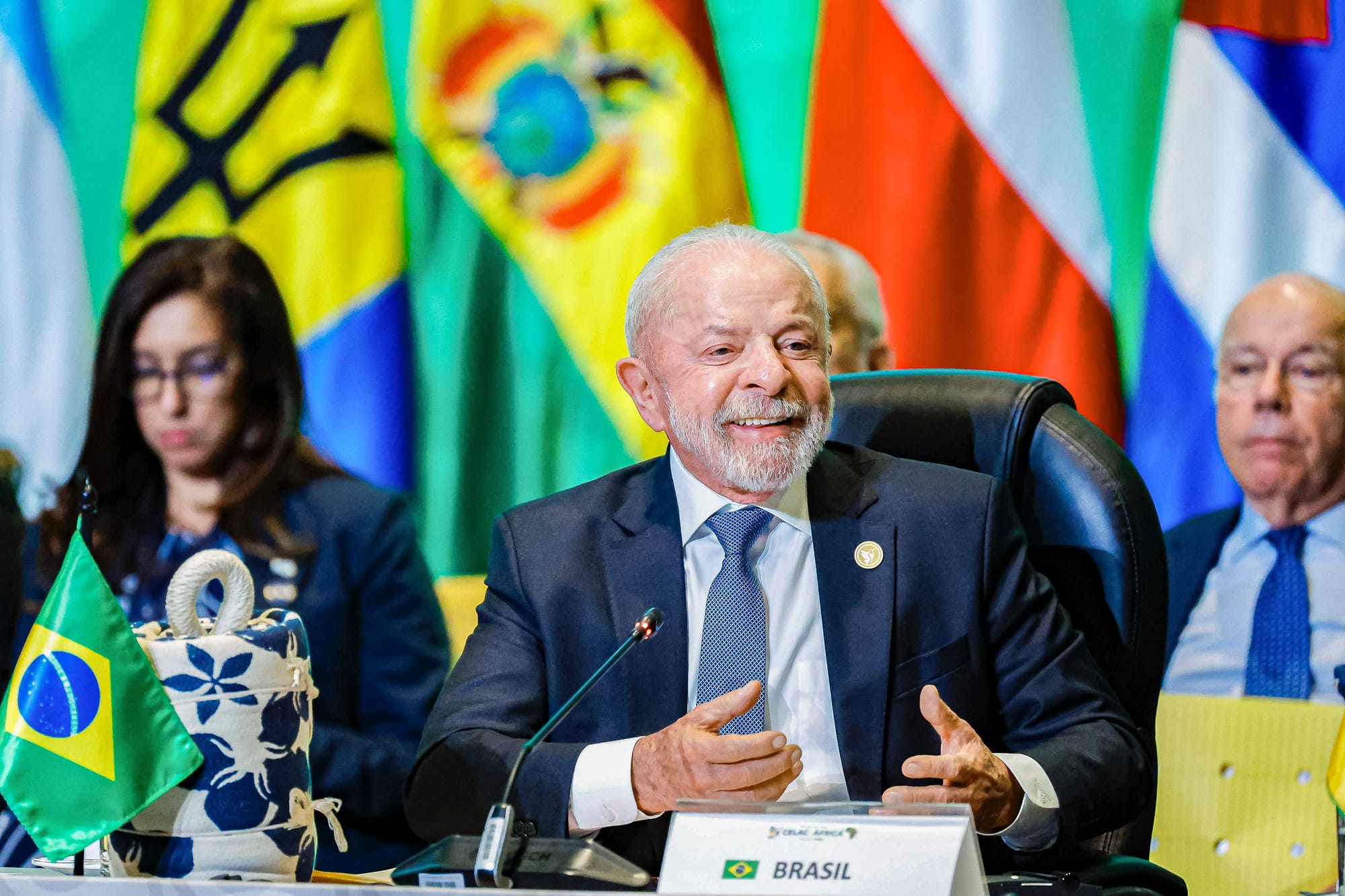
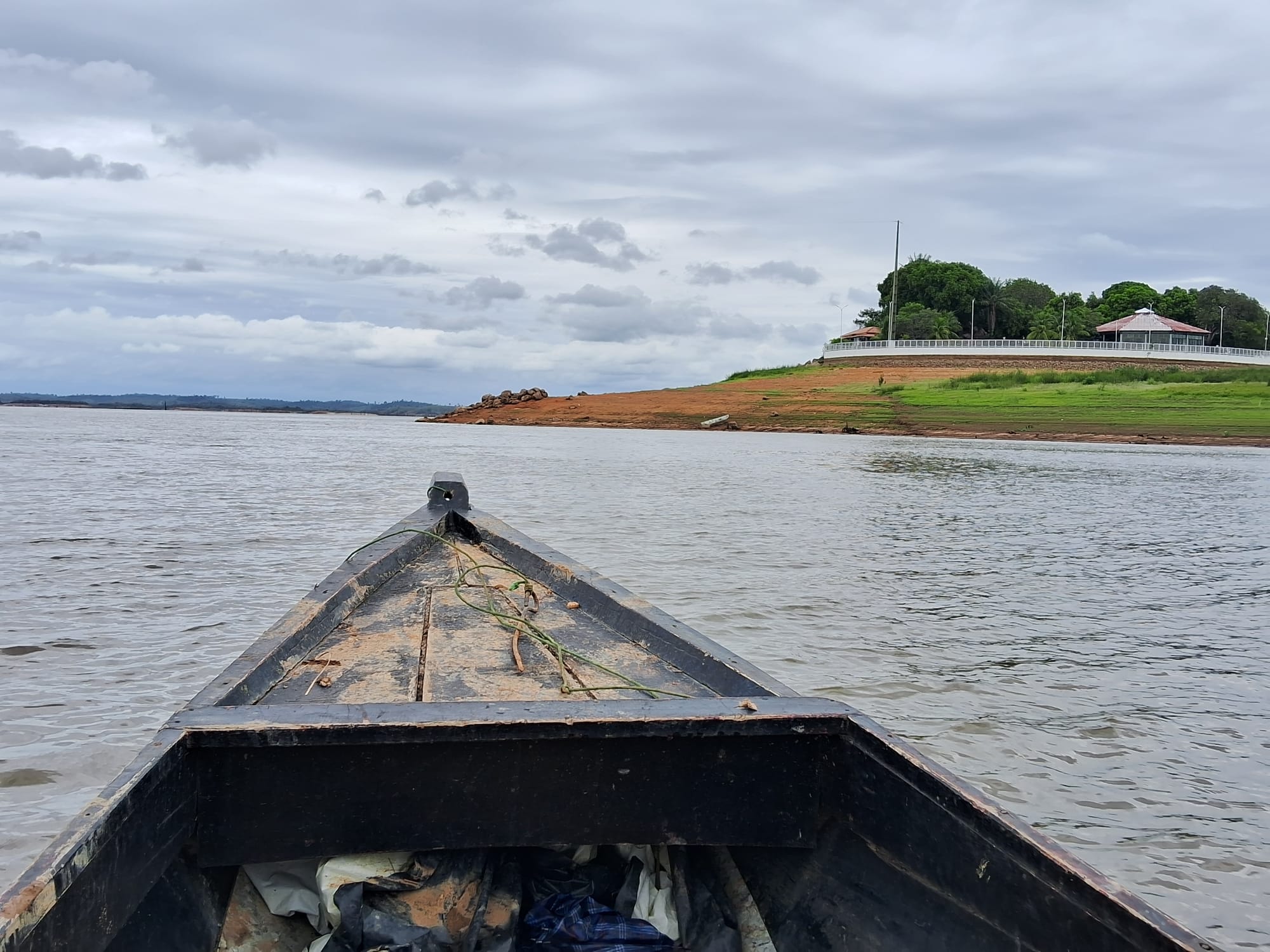
The explosion of a key Tocantins River fishery is planned for March, to begin a shipping channel, despite Lula’s river privatization decree being revoked on Feb. 24. In Cametá on Feb. 26, I interviewed geography professor Edir Dias, of the Federal University of Pará.
Category:The Amazon
LISTEN: People react with joy as decree privatizing three Amazonian rives revoked
Category:The Amazon
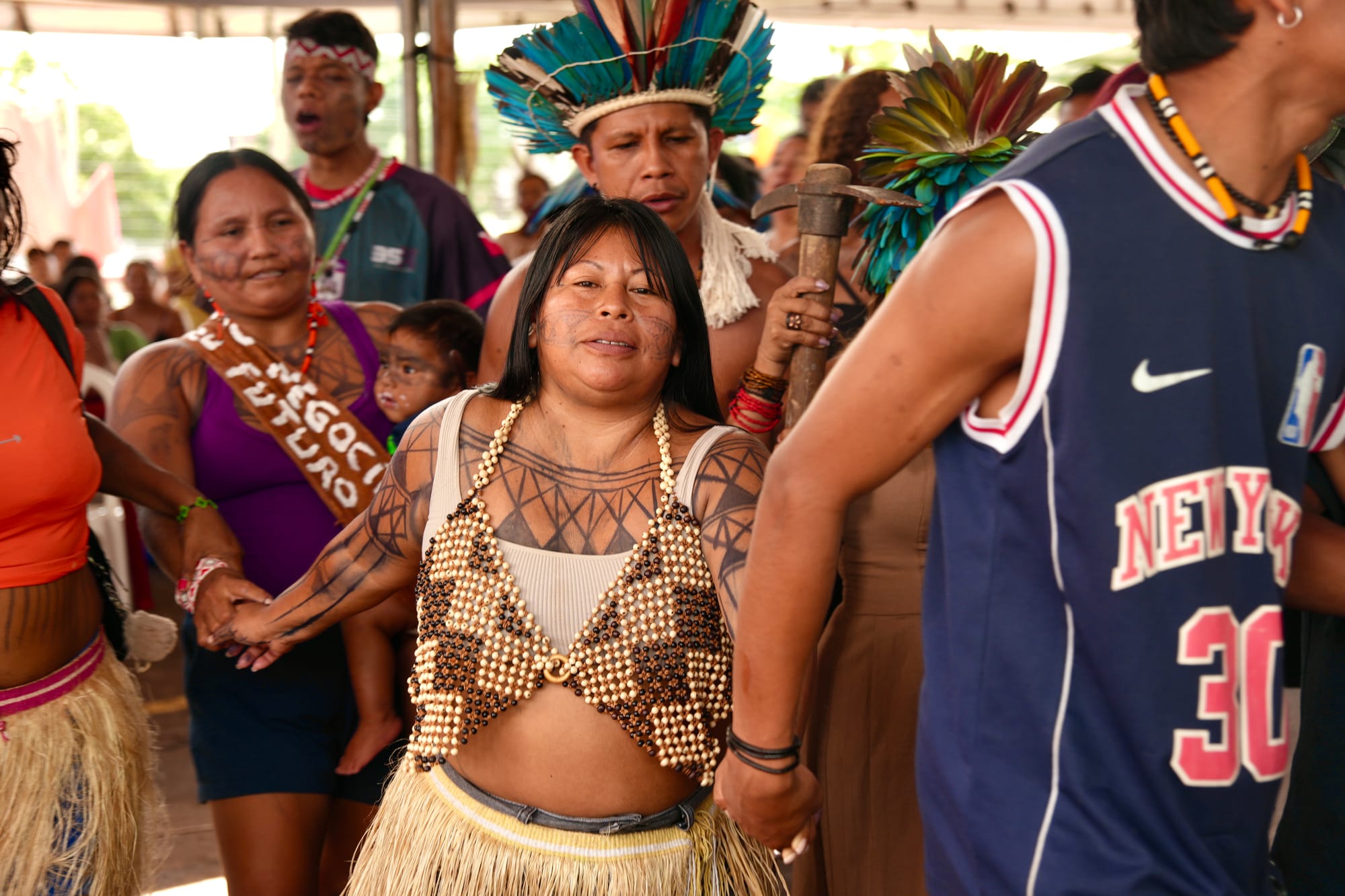
Brazil revoked Lula’s river privatization decree after Indigenous protesters occupied Cargill facilities in Santarém and escalated pressure ahead of negotiations, averting a looming police eviction and delivering a major win for river communities.
Category:The Amazon
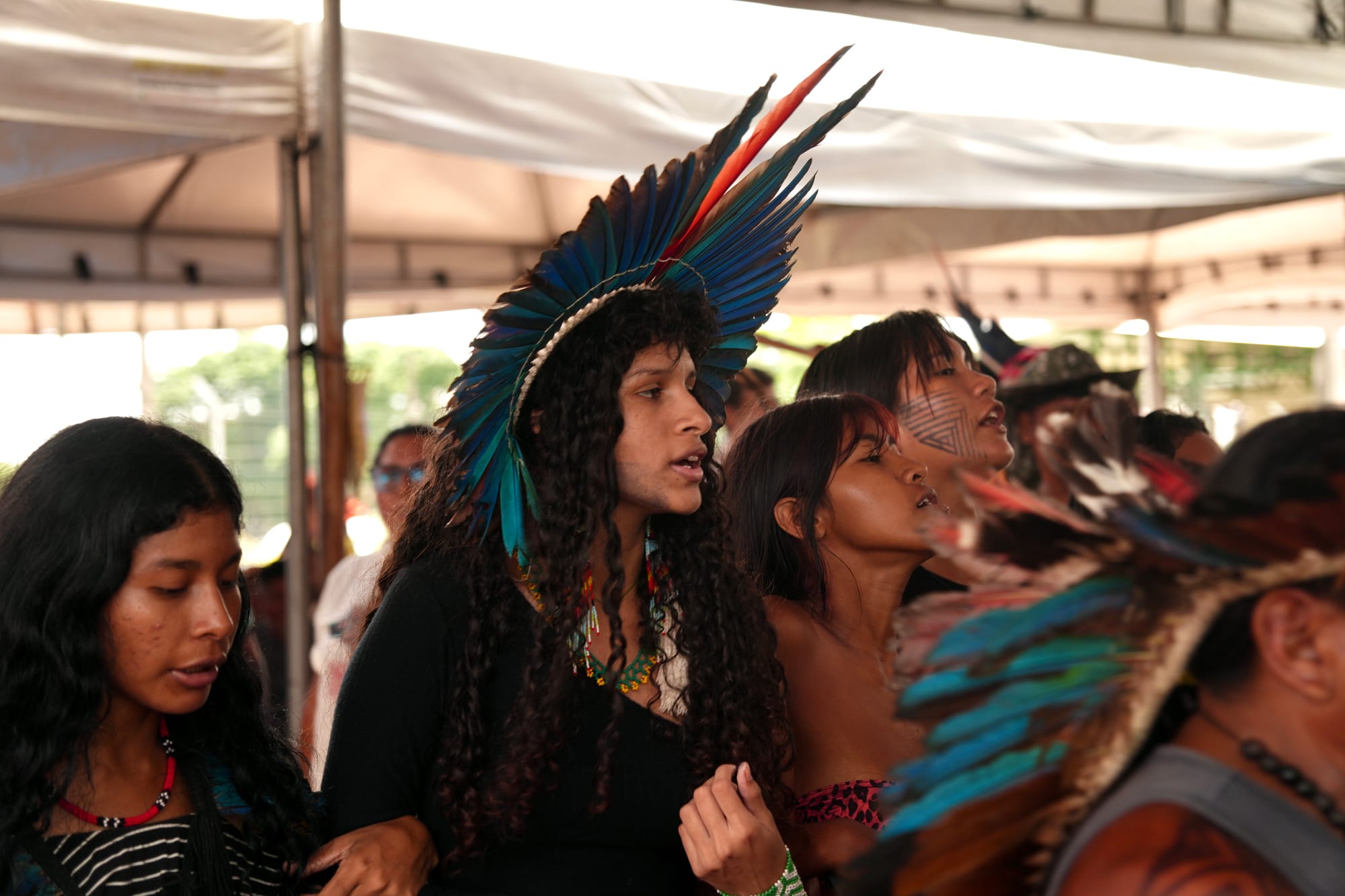
Authorities gave a 48-hour deadline to “unblock” access roads to a Cargill grain port in Santarém and remove more than 1,000 Indigenous protesters camped outside
Category:The Amazon
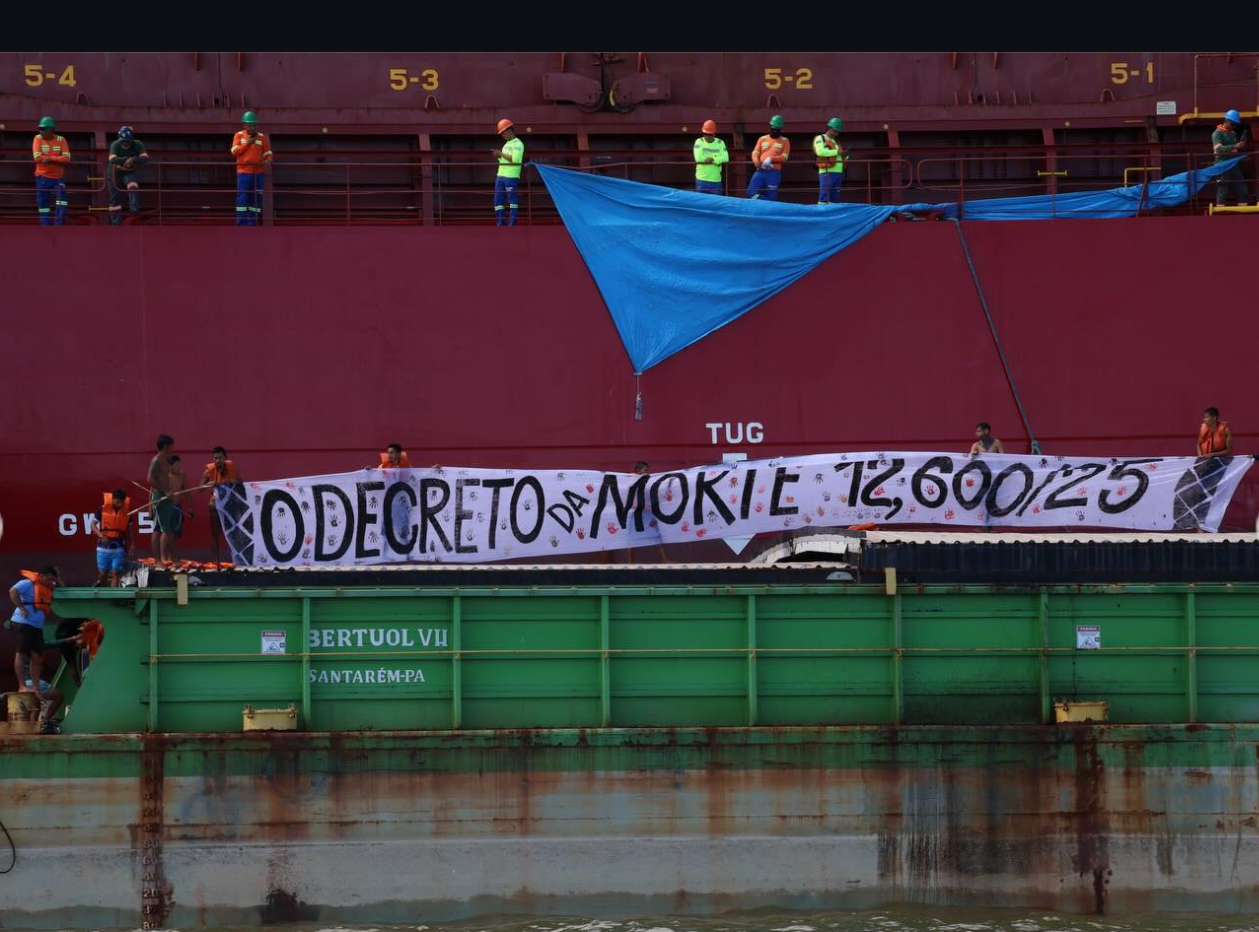
On Feb. 19, Indigenous protesters boarded a ship near Cargill’s grain port in Santarém, hanging banners saying “The Tapajós River isn’t merchandise” and demanding repeal of a decree privatizing three Amazon rivers. Police ordered them to leave what they called an “area of international security.”