Dispatches of a CEO
Thinking about the great Murrow and Turner

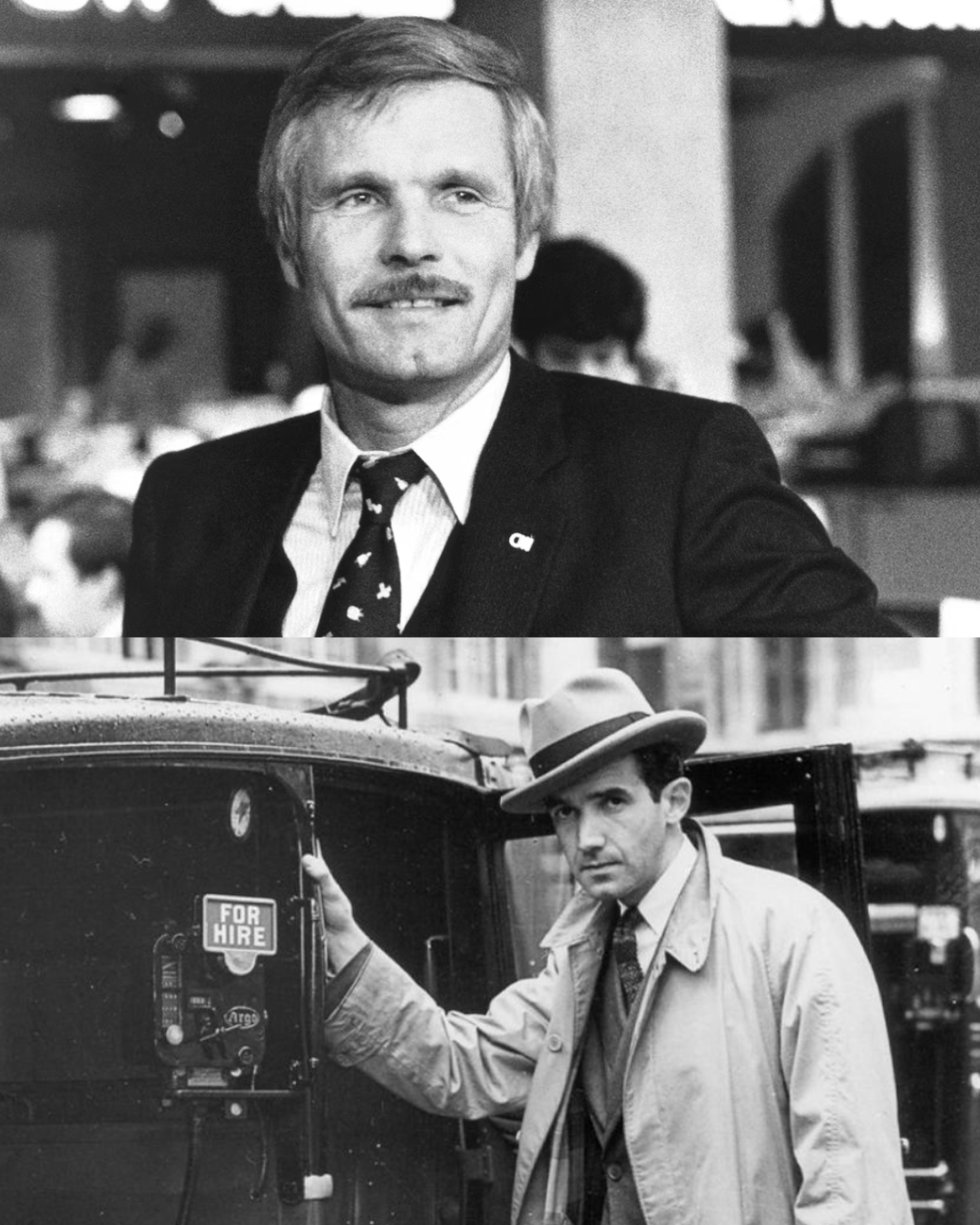
I’m on a red eye flight to London and thinking about 1980. I’m thinking about how wild and exciting that year was for broadcasting. Ted Turner launches CNN and not long after, Tom Freston and his crew launched MTV. Who would want to watch news all day long? And who the hell would want to watch bands play their music on the TV? Everyone. Music and news, two long-standing disciplines with established industries and means of distribution and enjoyment, now completely disrupted. With the recent news that Ted Turner had passed away, I can’t help but feel an ache for how exciting it must have been to be there. To be a part of building something so utterly pioneering. Something so new people would laugh and then they would stare. Then they would love it.

I was born four years later and although we didn’t have cable in the farmhouse I grew up in in Northern Ireland, I grew up knowing CNN was something big. It’s so easy to assume these men were embraced from the get-go, but they weren’t. They were controversial, immovable, and creative. They were also not easily intimidated by figures of power – notably politicians who wanted to muscle them on content – something particularly noteworthy in this era we are in.
Another pioneer I have been thinking of lately is Edward R Murrow, as CBS shutters it’s radio department this week and closes down the most iconic, historic brand in news broadcasting. Murrow and his team at CBS radio pioneered modern broadcasting. They invented the field reporting that people heard and watched for much of the rest of the century. We so closely associate Murrow with legacy and tradition we forget he was a total maverick, to the point of being too risky in the eyes of many in news. Murrow was rebellious in his absolute obsession with innovating field reporting.

When the Blitz of London happened, he wanted American listeners to feel what it felt like, hear the sounds Londoners were hearing, to transport them. It embraces what is now the golden rule of reporting – show, don’t tell. He held the microphone down outside the bomb shelter at St Martin In The Fields, so people could hear the rushed footsteps on stone pavements of people under the wail of sirens. He caused a ruckus when he wanted to affix a microphone on the top of the BBC Broadcast Headquarters during the bombing to get audio of it, even when he was forced inside. And often he stood and braved the bombs himself, describing everything he could see. What we would now call classic ‘say what you see’ broadcast field reporting. At the time, all anyone had really done is read into t a microphone in a studio. I so enjoyed playing those recordings for my students at Princeton when teaching.
Eventually him and his team of ‘Murrow boys’ would go so far as to fly in Allied planes, and as other broadcasters like NBC caught up, broadcast from on the deck on ships on D Day. Even when Murrow entered TV it was considered by many in the industry a reckless experiment that would damage his career.
One of the founders of MTV, Tom Freston, recently released his own raucous memoir of the time when, as the channel went on air in August 1981, the company changed music and entertainment forever. They offended evangelicals, moved the needle on young voters in Presidential elections and launched the careers of countless artists. To do so, they did everything differently. In a recent interview, Freston talked about how budgets were so small in those early days they deliberately hired people without TV experience so they would be more inventive with smaller budgets. In doing so, they created a culture of irreverent originality. From there sprung creativity and a movement of young viewers who grew up more connected to music than any before them.

And of course, Ted Turner, who died on May 6th, changed the news business forever by believing in 24 hour news. Full time connectivity to the world. Live coverage that brought the first Gulf War into the living rooms of Americans in real time. Coverage of every major news event from there on in was happening with immediacy, and innumerable cable networks sprung up globally. Before the internet was in most households, this was the most informed the public had been in history.
Ted Turner, like Murrow, was a leader. They led news into new eras. The difference between now and 1981, 1980, and 1940 is that those seismic innovations came about through demand, not an industry crisis. Today’s innovations feel more like building life rafts as the industry sinks rather than a joyful new idea realized and exploding in growth. And while that can feel depressing at times, looking back at how innovations have helped carry media from one era into the next through the visions of these entrepreneurs, can still be inspiring. They knew the public was hungry for more and new ways of consuming world events around them. The principle remains the same, even though the world – and most notably here our industry – feels in profound crisis.
We look back now at those forms of reporting, sharing stories and media, and it all seems so obvious. But that’s how it goes. At the time they were crazy. So here’s to today’s crazies, inspired by them, working toward and new, inspired way to connect people, and in doing so carrying on the tradition of human storytelling.
Jane.