Dispatches of a CEO
A different kind of assignment

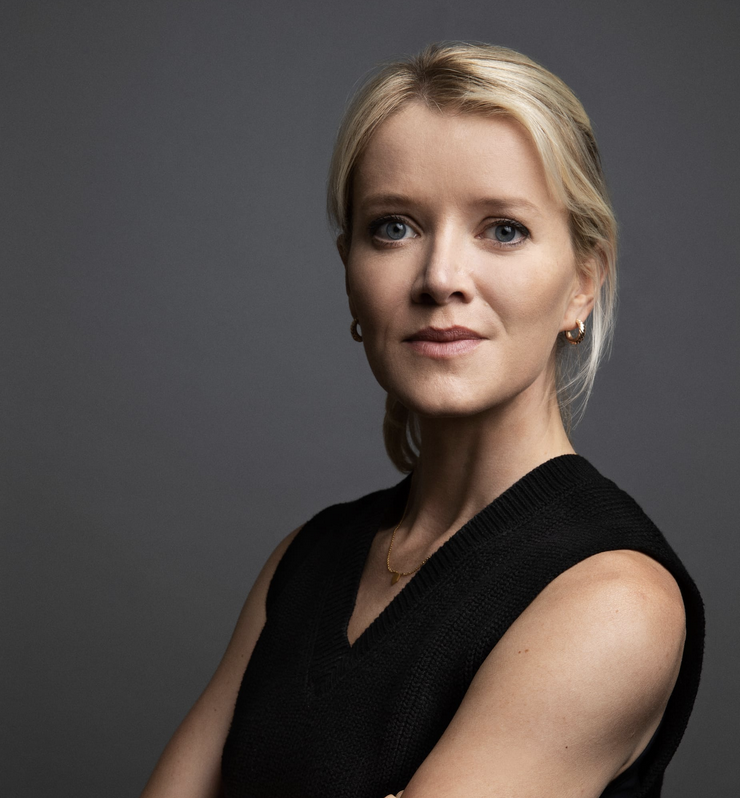
The first of regular reflections and updates of Noosphere's founder and CEO.
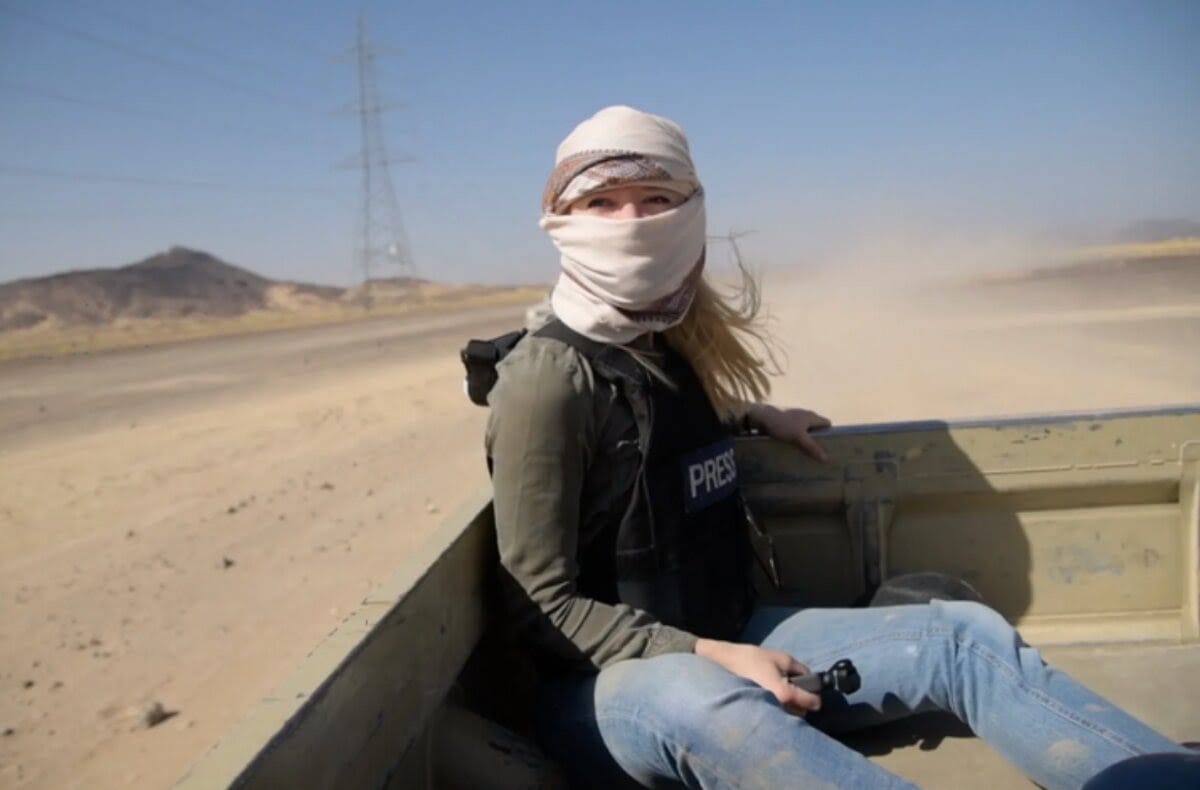
It’s a rainy, spring day here in New York and I’m in our little office in downtown Manhattan. The TV is on, a low hum of the news. The New York Stock Exchange sits just down the street. I march past it each morning, weaving through tourists staring up at it or having their picture taken next to the bronze statue of the ‘Fearless Girl’. When I was her age, maybe seven or eight, my dream job did not involve offices, or meetings, or even the money that these cobbled streets echo. I never cared for that type of ambition. I wanted to be traveling, on adventures, meeting people. Eventually that became a dream of being a journalist, telling stories that would become documented history. And getting to see it all. But a lot of my career felt like I was a little late to the party.
Just too late for the heyday of network news. British papers, and eventually most Americans too, also didn’t have the bureaus and international opportunities that could sustain a life and career. What tiny amount of paying jobs remained were highly competitive. But I eeked out a living on the fringes of the institutions as a freelancer for years, always knocking on doors and hoping they would open. Doors to storied media houses, household brands, an opportunity to have a real career. In the end I built a very prestigious career with lots of trophies and applause.
But the truth is, the doors never really opened. Most people missed the reality that, despite all those accolades, I never got a job. And it became my greatest blessing. It kept me skilled, strong, independent and most of all, adaptable. Moments of great importance are often hidden subtly in other crises or events, and we cannot see them until we look back. Since founding Noosphere I’ve often been asked where the seed of the idea came from.
For me, that was in the dusty, hot hell of Kabul’s airport as the government fell and hundreds of thousands of desperate, terrified people pushed up against the airport’s walls, the Taliban guns to their backs, begging American soldiers to be let in and flown away. The US networks and broadsheets had all been in Kabul, covering the collapse of the government on a sunny, Sunday afternoon. The presence of the Taliban in the streets. Young, skinny – and shocked – fighters, their wild curly hair stooped over heavy weapons, staring around them as foreign reporters jostled for interviews in live shots. But then, after coverage of their presence in the streets, American broadcasters and broadsheets pulled their staffers out. They were afraid of what could happen under a Taliban Government – this old/new Emirate – as foreigners and part of the international press. Even more urgent, was the need to evacuate their Afghan colleagues for fear of attacks on them and their families.

But in that rush, the US news organizations missed the true story of the collapse. They missed the biggest airlift of human beings since Saigon 1975. One disastrous American defeat echoing through history to another. This tragic catastrophe.
As shocking images of Afghans trying to hold onto airplanes as they took off were broadcast around the world, many US news organizations struggled to get back in. The airport was no longer permitting commercial flights to land, and the State department was in no rush to help journalists document this US-led policy disaster. I was lucky enough to be permitted to stay. The New Yorker cancelled my commission, fearful and asking me to stay safe and stay away. But PBS let me make my own decision. This was, I knew, more than in part because I was a freelancer. The one control over my career I felt I had, was where and when to go somewhere.
As I documented, alongside British and other foreign journalists, the crisis, American outlets scrambled for footage. I was posting across social media as much as I could, while filming for our extended nightly segments on the PBS NewsHour. Those Instagram videos of the scenes outside the airport gates went viral, and at one point even CNN started airing them over Anderson Cooper speaking. PBS producers promised to write to them to stop, and I stepped in and said they simply must credit me. And so, the anchor said my name aloud as the footage played. It seemed like the best way I could stamp my mark on the work.
Looking back, I now realize, that was the first time in my career when a network or news outlet needed me more than I needed it. I had rare access to the most pressing story on the planet in that moment, and a way to broadcast it directly to an audience. This might seem painfully obvious now, given social media and the explosion independent journalism, but in that desperate moment in history, a media paradigm had shifted.

And as I filmed and jotted down quotes and photographed frantically, our industry was continuing its slide into rapid decline. Few could picture how rapid that decline would be, both businesswise and editorially, in the coming years. But my generation of reporters, who came out of college and into the financial crisis, new only decline. It was now a case of rapidly speeding decline. The business model no longer worked. As chord-cutters gathered a pace, simply putting the content online was not going to replace the massive, lucrative revenues. And what to do about the eye-watering costs of running a news network? Not only would the revenue not support it, but those systems running up these costs were increasingly archaic and needless. I had gone from live reporting on a rooftop in Kabul costing thousands of dollars per minute owing to satellite feeds, to broadcasting whenever and however - and crucially to whoever - I wanted, on my cellphone. All that was missing was a way to make a living from it.
I came back to New York, shut out the world, sat out a war (Ukraine) and wrote a book. It was a very effective way of still looking busy and important when asked ‘so, what are you up to now?’ when in fact, I was having a crisis of purpose. At the forefront of my mind was the futility of field reporting while our industry collapsed. Eventually, I would also witness my incredible colleagues in Gaza broadcast a horrifying war on social media. I couldn’t shake the frustration that they were simply pouring money into the pockets of silicon valley. And so, to me this crisis took the form of a central question: “What if the institutions do die, but we could keep the journalism?”.
Can journalism survive without the storied newspapers, cable TV channels, legacy magazines? I certainly wish it didn’t have to. I don’t dance on their graves or celebrate their decline. And I don’t sneer at ‘main stream media’. These are flawed, essential institutions that have hosted and cultivated some of the most important journalism in history. But if this current moment of mass layoffs has taught us anything, it’s that not all of them will survive. But what if there is a way to help there too? Could news organizations, some of the greatest institutions, also embrace this distribution model? Can’t we create ‘independent reporting’ architecture that connects institutions and journalists, all within an ecosystem.
That’s what I’m doing with my days now. That’s why I schlep through the snow to and from my office in downtown Manhattan rather than speed off to the airport for another adventure. What we are building at Noosphere is of enormous importance to preserving the kernel of what high quality journalism is, delivered to the public in an entirely new way. Old colleagues, respected reporters and photographers, seasoned filmmakers, and new young talent must reach audiences in. a place that better serves their news consumption habits.
It’s also a place where we build tech for news institutions to better shore up their strength in this new era. We’re building a home, one fueled by old school reporters harnessing modern tech for themselves. Journalism needs its own tech company and we are it. As places as vital and beloved as The Washington Post stumble, and AI prepares to blend fact and fiction beyond anything we have seen yet, we will be building and growing.
It’s exciting to create things and put them out in the world. And to create a meeting place for human beings and their best storytellers around the world is incredibly meaningful work for me. To communicate, to better commune, has always been my life’s focus. Pulling people together and reminding humanity we are one, global, connected species. We are the Noosphere.
In these regular posts, from me, a former war reporter turned Founder and CEO, I will share this new journey with you. I promise you will always have my words, not anything written by AI. My typos. My swearing. My ups and downs.
Thank you for coming with me on this new, massive assignment.
More soon.
Jane