Four years of war in Ukraine
The war in Ukraine has now raged on for exactly four years, which few could have expected when Russia launched its February 24, 2022, invasion.
In the early days of the war, some experts and journalists believed that there was only so long that Ukraine could fight—that Russia, with its much bigger army, would be in control of all of Ukraine in a matter of months.
Four years on, Ukraine remains standing and Russia controls just 19% of the country, but the Ukrainian people are exhausted by the war, which has no end in sight. No Ukrainian has been spared from the brutalities of the war. At least 15,000 civilians have been killed and more than 41,000 injured throughout the war, according to the UN.
But the true number is likely much higher. During the siege of Mariupol, which became a front line on the first day of the war, the Associated Press estimated that at least 25,000 Ukrainians were killed. Now, however, they believe that number could be three times higher than their initial estimate.
Millions have been displaced or become refugees in foreign countries. The UN estimates that 15,000 civilians have been killed and more than 41,000 injured throughout the war, and the CSIS estimates that Ukraine has seen 500,000 to 600,000 military casualties, including up to 140,000 deaths.
Women, men, boys, and girls have been raped by Russian soldiers. Civilian detainees have been tortured, are missing, or have been killed by Russian troops. Wives have lost their husbands who were fighting on the front lines. Children and their parents have been killed in Russian attacks. Russia’s current attacks on Ukraine’s energy grid have left tens of thousands without heat, electricity, and water in the coldest winter Ukraine has experienced in a decade.
The amount of suffering in Ukraine is insurmountable, and we still don’t know what long-term effects the war will have on the postwar society. Ukrainians have long moved away from their feelings of being resilient to the effects of the war. Many tell me that they are exhausted and want peace, even if that means Ukraine is a smaller country than it was four years ago.
I want to share some pictures and videos I have taken in Ukraine over the years:
Kostiantynivka January 2023:
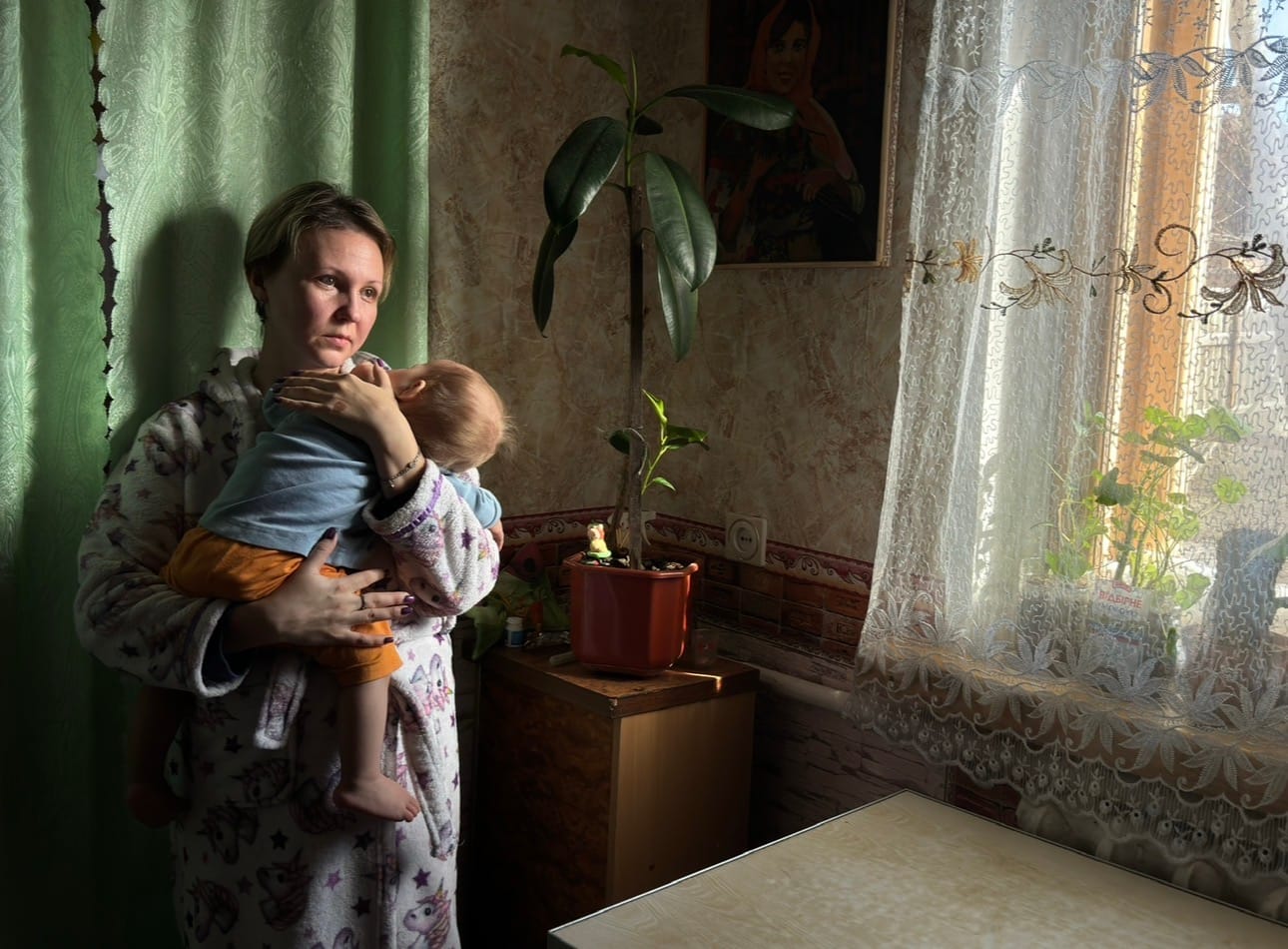
At the time, the front lines were advancing on Kostiantynivka, around 15 miles away, and many mothers were coming to terms with the fact that they would soon have to leave their homes. Now, Kostiantynivka is just under five miles from the nearest area under Russian occupation.
Kupiansk, November 2023:
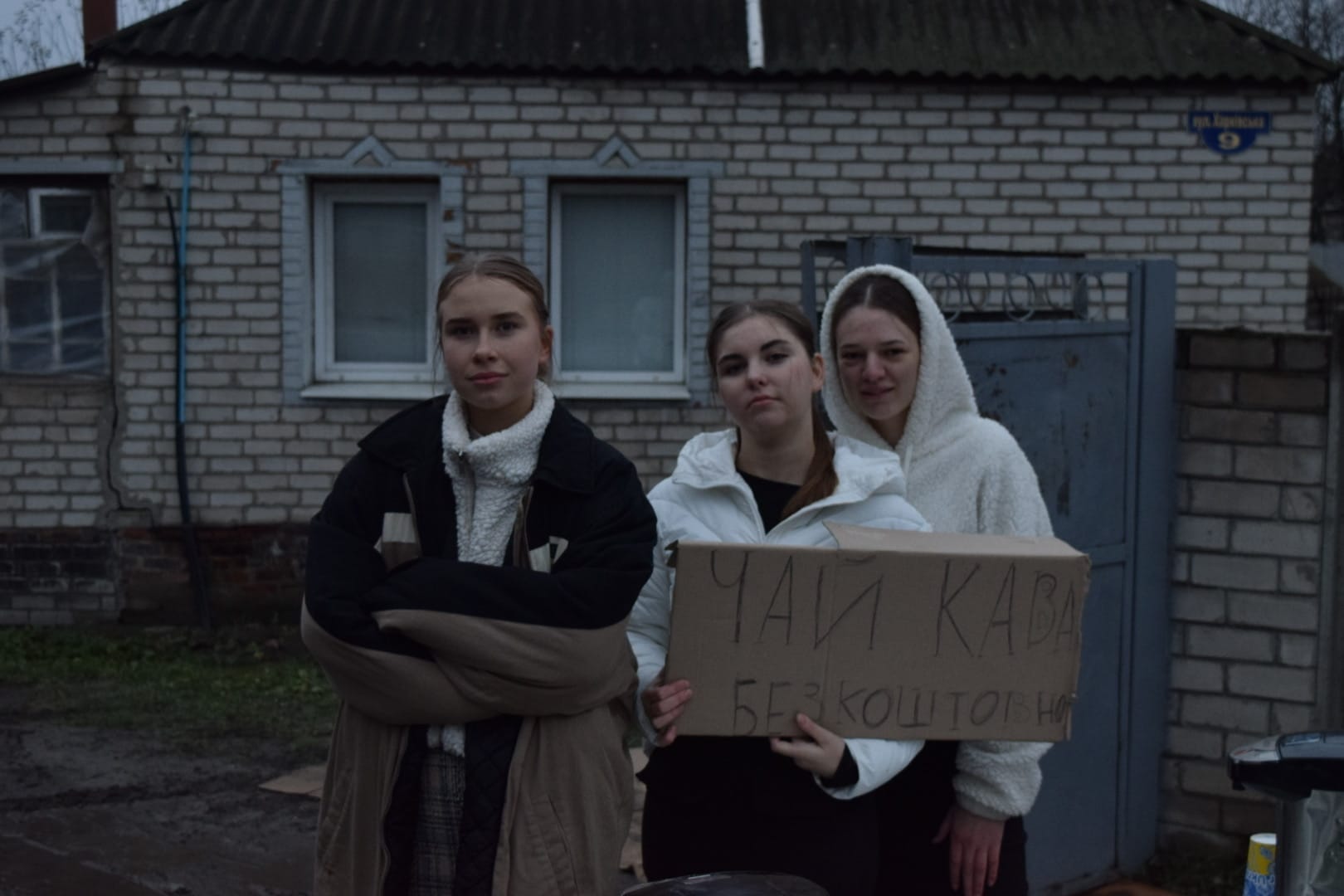
In November 2025, it appeared that Kupiansk would soon be under Russian occupation. But as of now, much of the surrounding area has been liberated, and Russian troops have been pushed out of some of the areas they once occupied.
Kharkiv region May 2024:
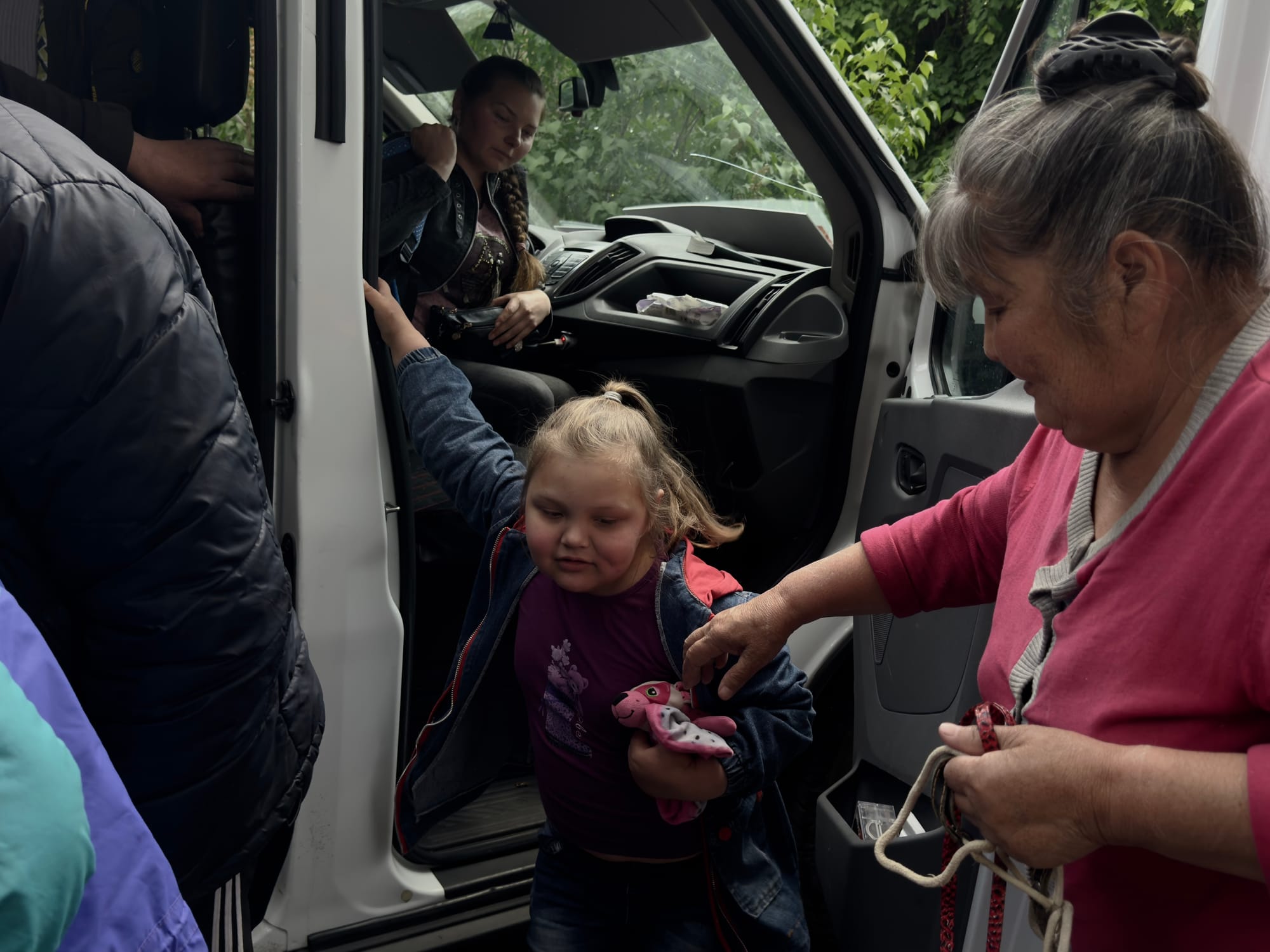
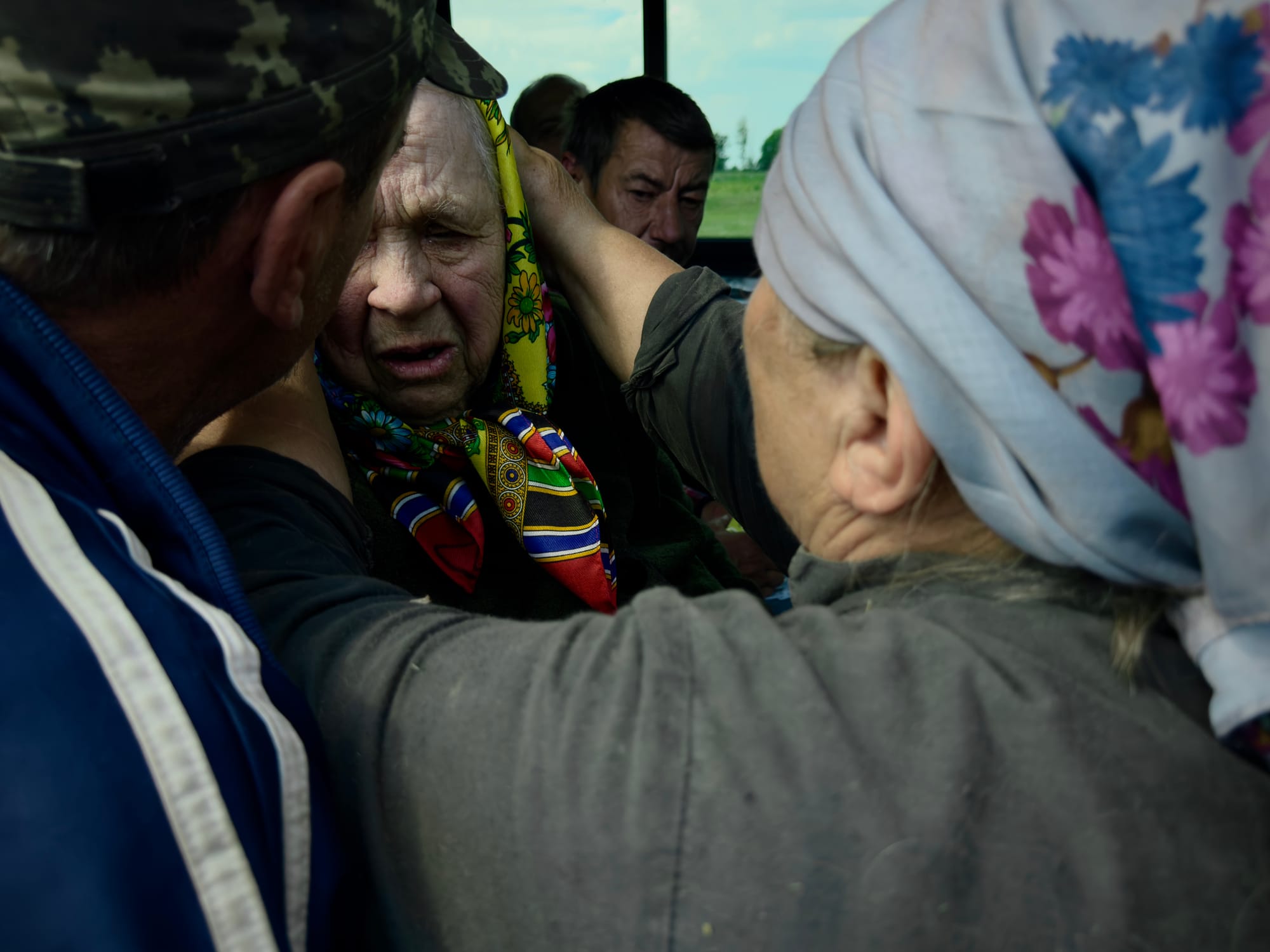
Russian troops reinvaded the Kharkiv region on May 11, 2024. As the region once again became a battleground, people began to flee their homes.
Pokrovsk November 2024:
In the fall of 2024, it became evident that Pokrovsk might soon become the front line of the war. In November 2024, Russian troops were around six miles from Pokrovsk.
In January 2025, few people remained in Pokrovsk:
Now, it’s under occupation.
In the spring of 2025 and throughout the summer, Russia‘s attacks on Kyiv intensified. There were brutal attacks multiple times a week:
In August 2025, the attention of the war turned to Dobropillia, which was around 8 miles from the front lines. Ukraine has managed to ward off Russian advances, and now it is still 8 miles away.
In September 2025, I was asleep when a Russian missile hit the street directly in front of my apartment in Kyiv:
In the fall of 2025 and now, the focus away from the front lines has been Russia’s constant attacks on Ukraine’s energy infrastructure. The attacks have specifically rocked Kyiv this year.