On The Loss Of Paul Conroy
A huge talent, and a wonderful man, gone just as the world needs him most
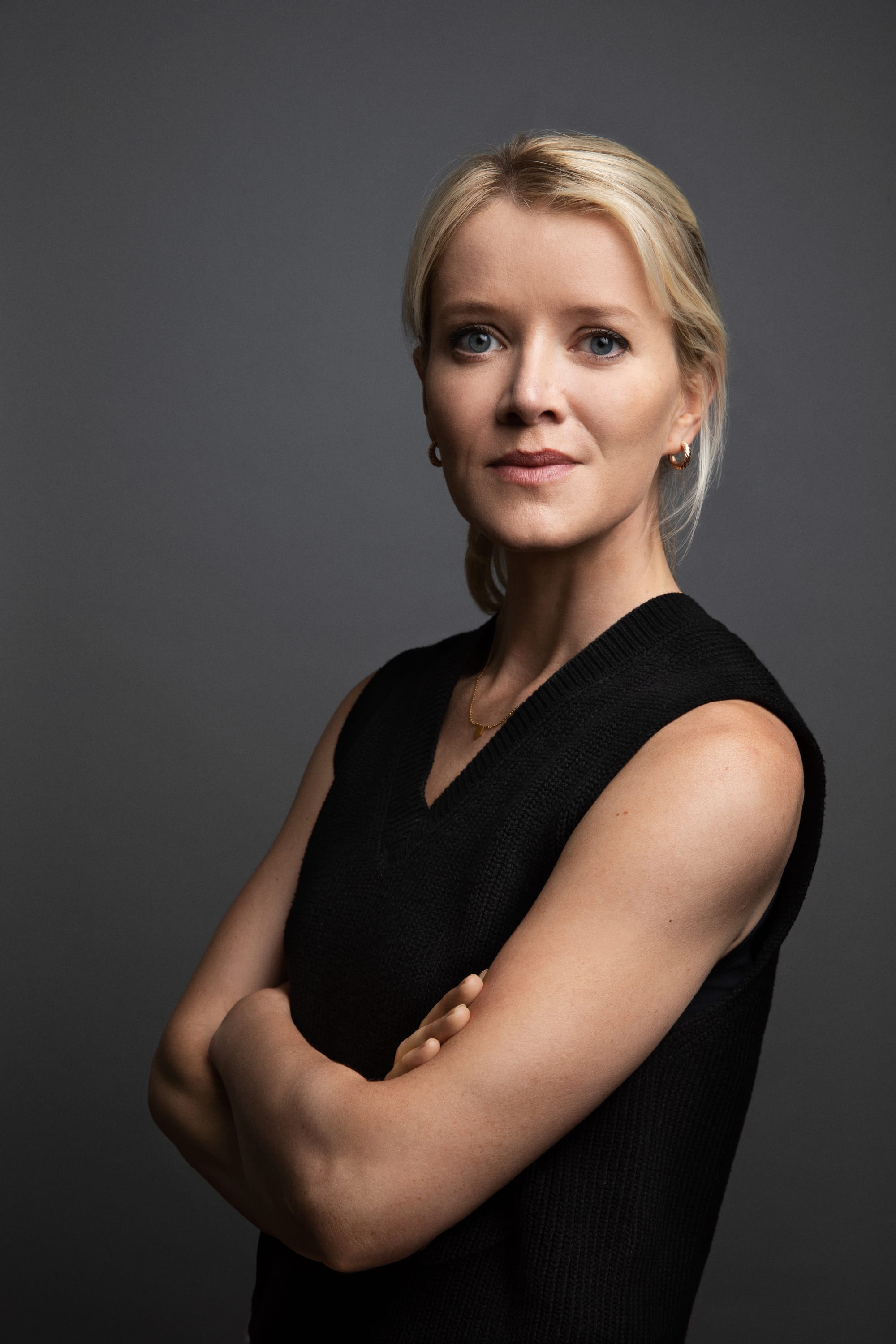

The last two weeks have seen an outpouring of love and sadness across the internet, especially among conflict reporters, as people pay tribute to Paul Conroy. Paul’s death has rocked the war reporting community where he was so much loved and admired. When I heard that Paul had died, my first thought was how unfair it all was. That someone like him should leave at just 61. At a time when the world has gone mad. When, selfishly, we need him the most.
Sometimes it feels like the bastards of this world just keep winning, I thought. It was never meant to be like this, I railed. In my head, we were a part of fixing a mad world. Paul’s work an essential part of facing off against the growing darkness.
I don’t want to reduce a man to his work, but I just don’t know anyone has effortlessly talented as Paul, or a voice and gaze so urgent today.
His death is a personal tragedy for his family, his wife, sons and grandchild. But it’s also a terrible loss to the great tradition of foreign correspondents and field reporting globally. At a time when powerful, rich men are closing in on truth, from massive industry to the halls of political power, voices like Paul’s were a defiant, eloquent revolt.
He was a true journalist, not a blow hard. Amidst a growing onslaught of airbag ignoramuses, Paul waited to be asked for his opinion, then generously and humbly spoke of the things he knew. And it would be at that moment you learned Paul knew an immense amount. Because, like a real journalist, he had been there. He had paid quiet focused attention. He had listened and absorbed it all.
He went without fanfare to the heart of every story he told, driving himself down abandoned roads to Kramatorsk where he would rent an apartment and live, heading out to do his work, documenting the lives of Ukrainians stuck at the front, and soldiers missing their loved ones at home. He was so understated it took me several weeks of working together to realize that Paul was one of the greatest expert on emerging drone warfare around.
Paul was wonderful to work with – a mantle eschewed upon few of the True Greats. He laughed, was modest, kept his word, was brave and honest. I wish there had been more space for a journalist like him in the Main Stream of noisy news. Because Paul is exactly the kind of reporter who would never get hired by the network: thick working class accent, scraggly week-old beard, rugged, blunt. No agent, no family connections, no schmooze.
So it was easy to underestimate Paul at first sight. I was guilty of this. When my colleague Seb Walker first arranged a call between us, I thought I was going to meet a ballsy cameraman who might file some interesting footage from the front. Soon, some of the most compelling work I’ve ever read or heard would land into my email. He wrote beautiful, brutally raw dispatches from the front line, sending audio versions with his wonderful voice over the top. He filmed videos from his tiny flat at the frontlines, laughing and cursing as he captured the high pitched whine and then impact of a drone attack. He took pictures that belonged in storied magazines.
At a time when the best among us are retiring, dying and pushed aside, and the news organizations grabbed by the ultra wealthy who treat the world like a spoiled child would treat a sweetie shop, the value of Paul’s work, and most on my mind, that not yet done, is beyond measure.
When Trump launched an attack on Venezuela and kidnapped President Nicolas Maduro, Paul wanted to go. We had talked him expanding his reporting beyond Ukraine and from the moment the news broke he was monitoring the situation on the border in Colombia, where journalists were waiting to get access. In the end, access to journalists didn’t open up, and the tribe of foreign reporters filtered back to other bases. Paul quickly had an eye on Cuba, understanding the impact the oil embargo would have on the country and having a sense Secretary of State, Marco Rubio would turn his attention to regime change there eventually.
And so Paul hoped on a plane, wiped his phone and laptop of evidence of being a journalist, and went on a month long trio to Havana as a ‘tourist’. Our Man In Havana series, we chuckled together, was a cheesy title but irresistible. I enjoyed our regular check-ins because Paul was a great story-teller. And he was funny. His accounts of the Kafka-esque search for fuel so he could visit the villages outside Havana were terrific. I suggested me buy a donkey. Plain clothes regime intelligence folks cornered him in a café one day and demanded to see his ID. He had photographed a political parade in an area of town way off the tourist trail. They peered at a plethora of Ukraine stamps and he gave them his usual cheeky grin.
I wish I had known him more, and longer. I wish I could have drank Ukrainian moonshine on the road with him and talked all night about the war, or popped to Havana to do the same.
I called him on the morning he had died. The war had broken out and I know he wanted to be there to cover it. Instead, hearing the news was a gut punch. I sat down to gather my thoughts onto a page and wrote: ‘sometimes it feels like the bastards of this world just keep winning’. The tyrannical, powerful, and cruel keep on getting lucky. It was never meant to be like this, I railed. In my head, we were a part of fixing a mad world. Paul’s work an essential part of facing off against the growing darkness.
I’ve felt real brushes with death before, thinking maybe it was that time for me – luck pushed just a little too far. And I’ve thought about it later, on long drives to the Kenyan coast to rest my soul after trips to Somalia and South Sudan. “If I died, what would be my final thought?”, I asked as the lush greenery raced by in a blur. I was comforted by the answer that emerged immediately: “wow, that was amazing”. It felt good – staggering gratitude. I hope that’s what it was like for Paul.
His light going out in these dark times is particularly bitter. I have to believe that out there, like Paul, there are good people living good lives and being kind and brave and brilliant without the glare of a media spotlight. I wish more of them were powerful men and women, to balance out the bastards. Travel well, Paul. We miss you.
Paul’s final work, on assignment in Cuba, was initially published unnamed while he was still in-country without official permission to work as a reporter. Paul wanted to publish it under his name when he left Havana. Today, and throughout the weekend, we will be publishing his work posthumously. It will not be paywalled.