Category:The Amazon
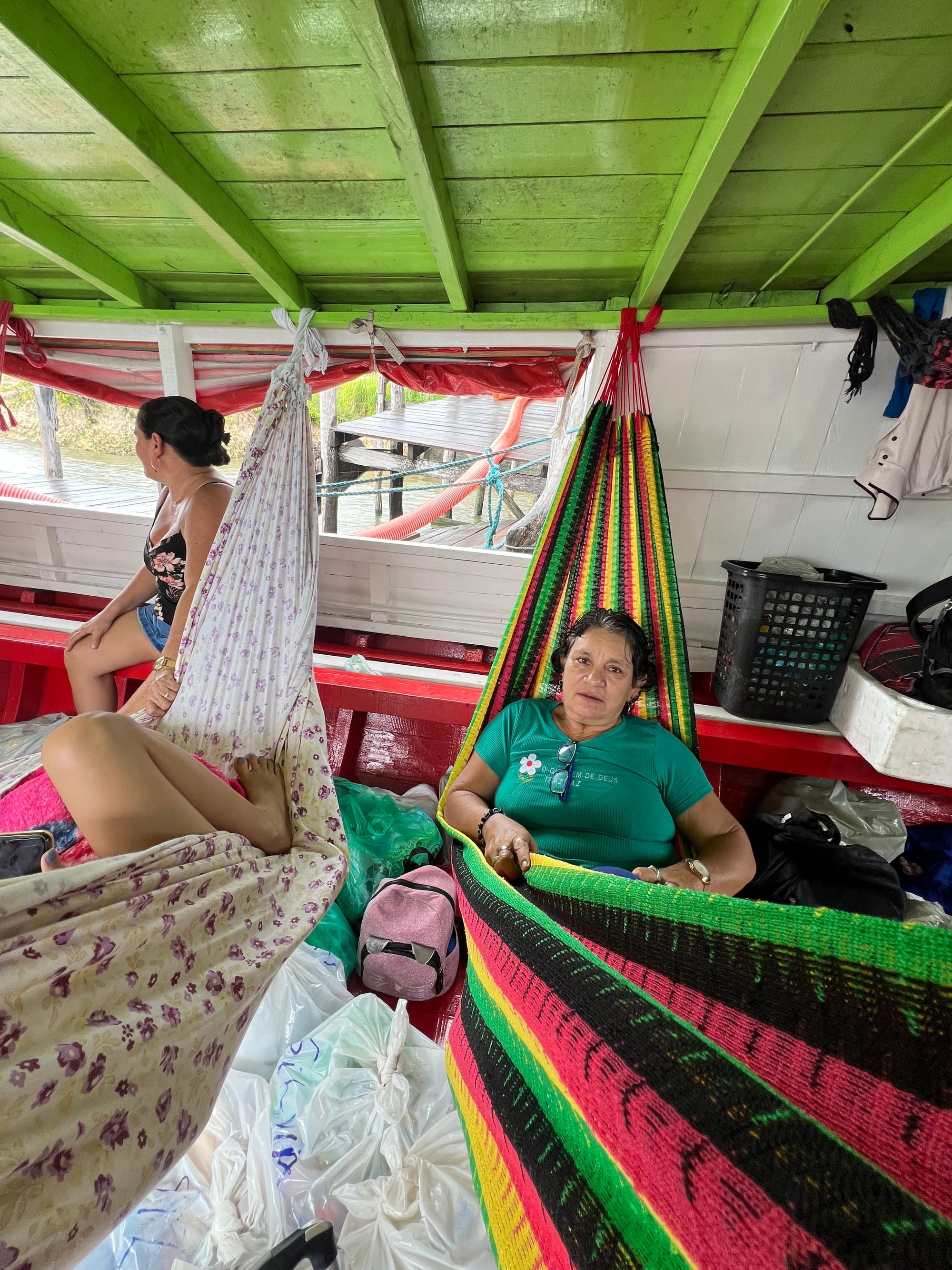
PHOTOS: Fishing season is about to open on the Tocantins River
Cametá is busy, in Pará state in the Brazilian Amazon, as everyone anticipates the opening of the fishing season on March 1.

Category:The Amazon
Cametá is busy, in Pará state in the Brazilian Amazon, as everyone anticipates the opening of the fishing season on March 1.
Category:The Amazon
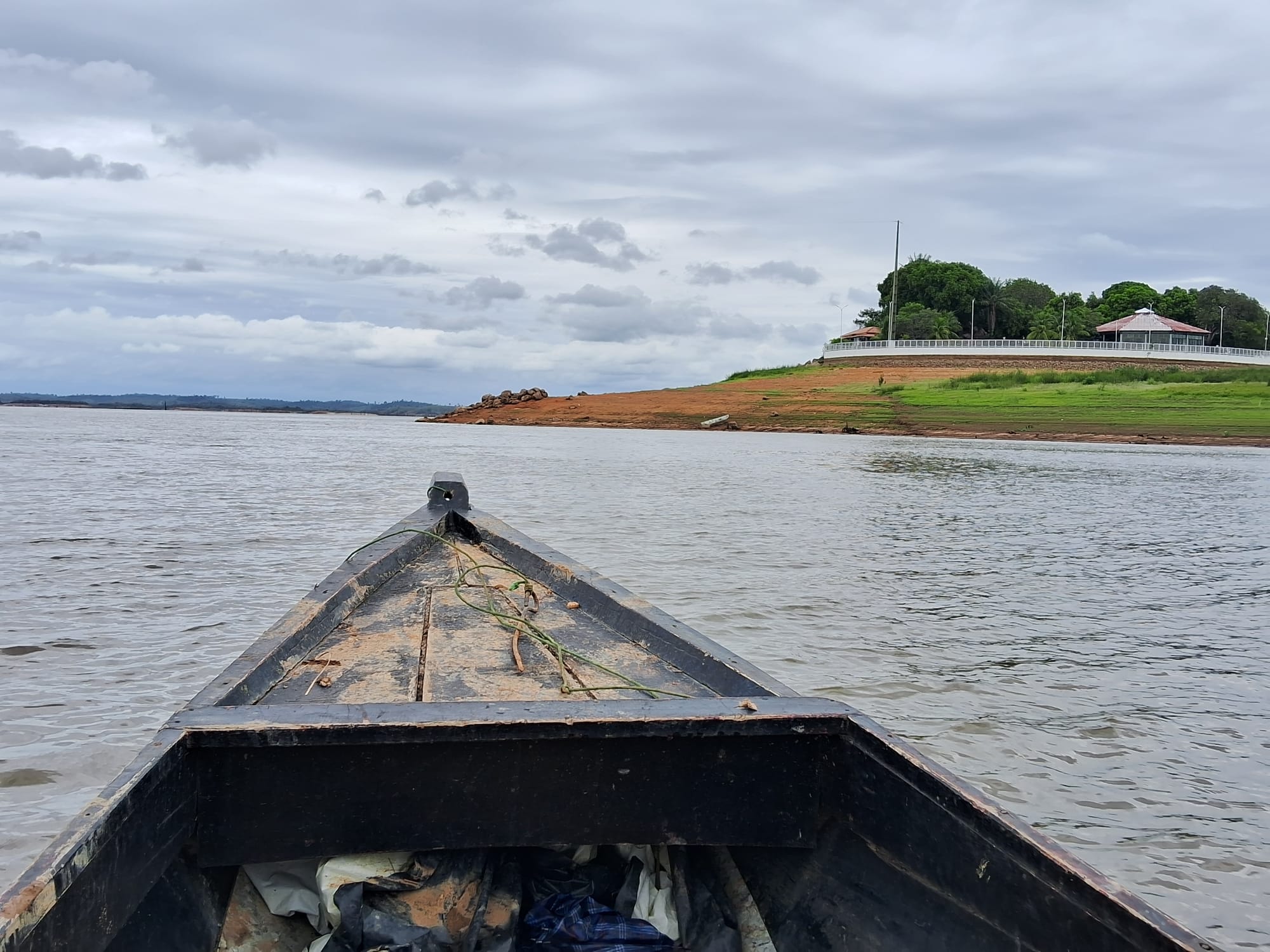
The explosion of a key Tocantins River fishery is planned for March, to begin a shipping channel, despite Lula’s river privatization decree being revoked on Feb. 24. In Cametá on Feb. 26, I interviewed geography professor Edir Dias, of the Federal University of Pará.
Category:The Amazon
I was filing an audio report for Noosphere when the news broke that Lula's August decree privatizing three Amazonian rivers had been revoked. Listen for when the people around me react with joy.
Category:The Amazon
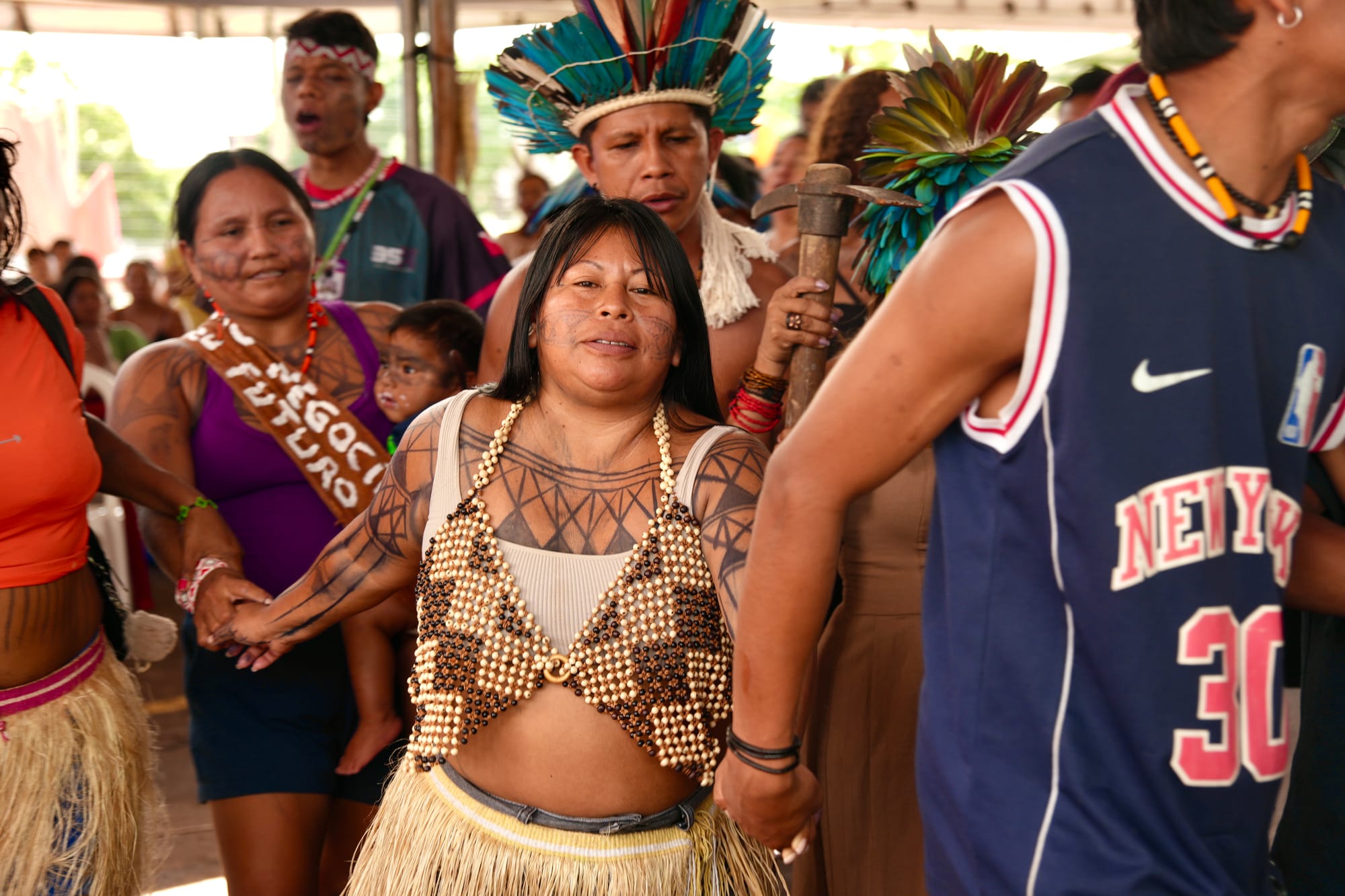
Brazil revoked Lula’s river privatization decree after Indigenous protesters occupied Cargill facilities in Santarém and escalated pressure ahead of negotiations, averting a looming police eviction and delivering a major win for river communities.
Category:The Amazon
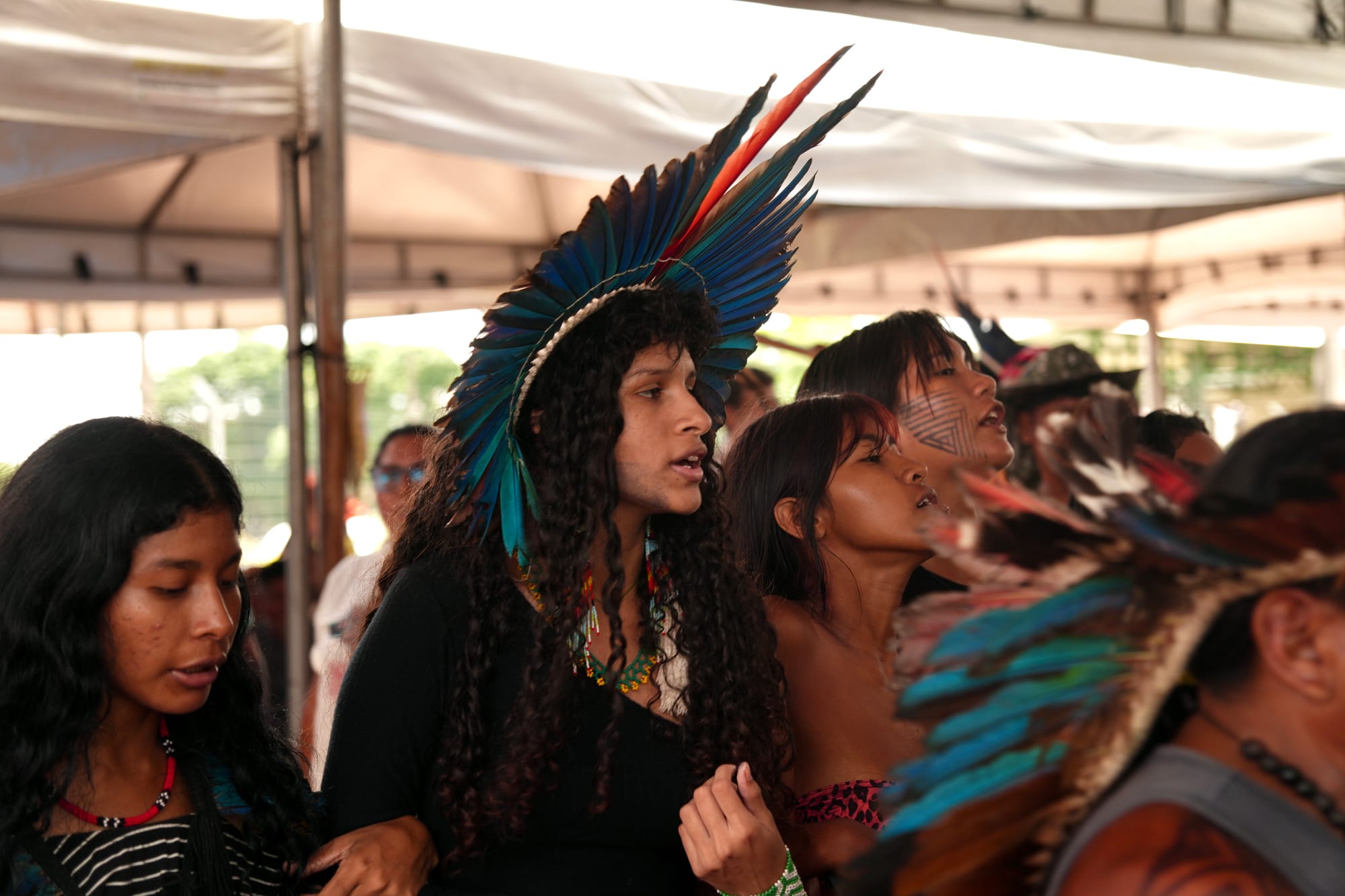
On Friday, authorities gave a 48-hour deadline to “unblock” access roads to a Cargill grain port in Santarém and remove more than 1,000 Indigenous protesters camped outside. Prosecutors challenged the order, and protesters vow not to retreat until a decree affecting their rivers is revoked.
Category:The Amazon
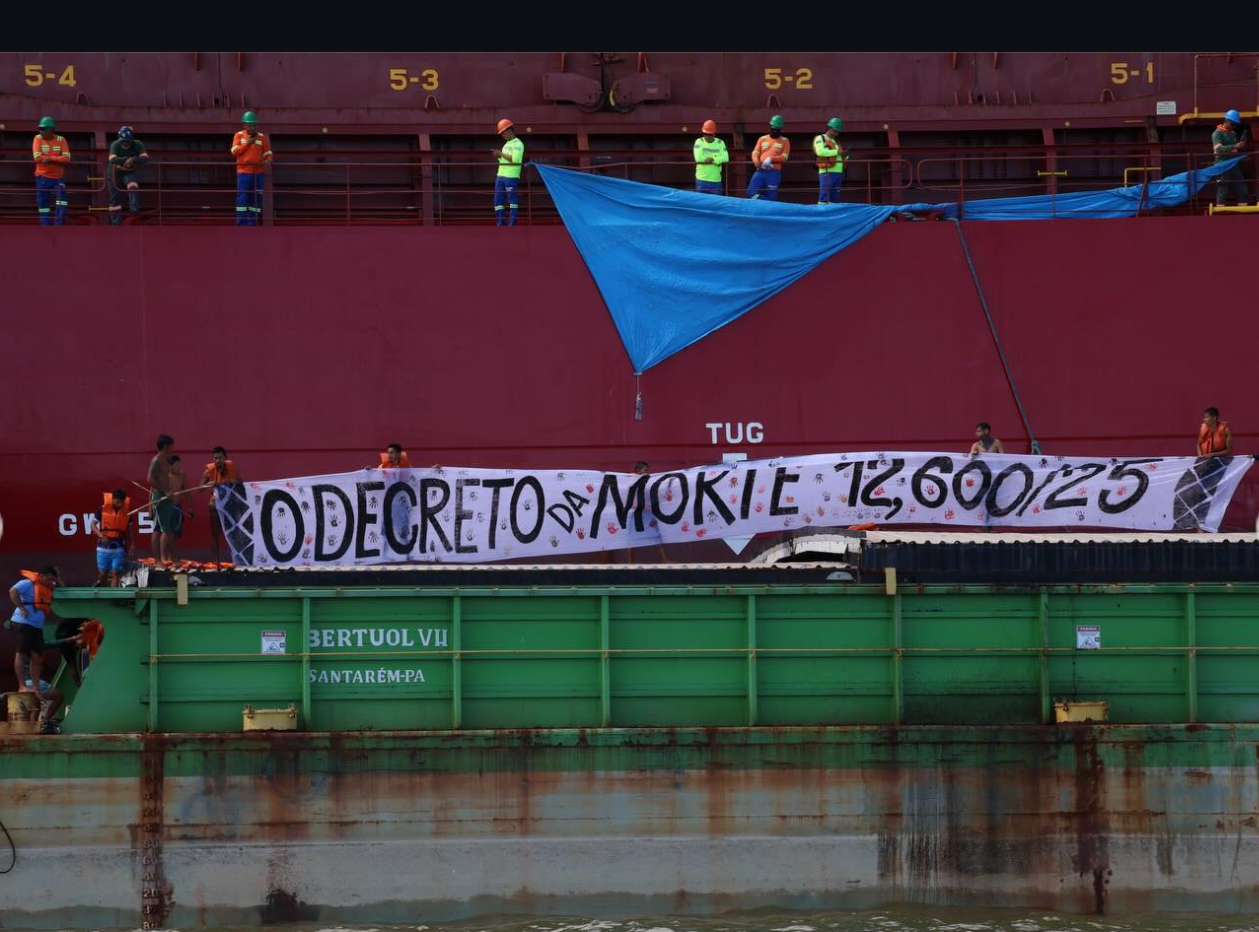
On Feb. 19, Indigenous protesters boarded a ship near Cargill’s grain port in Santarém, hanging banners saying “The Tapajós River isn’t merchandise” and demanding repeal of a decree privatizing three Amazon rivers. Police ordered them to leave what they called an “area of international security.”
Category:The Amazon
Auricelia Arapiuns says “a series of destructive projects” — shipping channels, railways, ports, mining — threaten traditional peoples in the Amazon. The government narrative of shipping channels reducing carbon emissions is incorrect, as they’ll cause deforestation, she says. Part 2 of interview.
Category:The Amazon
Interview with Auricelia Arapiuns, one of the principal leaders in the Indigenous occupation of the entrance to the grain port of U.S. company Cargill in Santarem in the Amazon. “Since Cargill came here, we’ve never had peace,” she said.
Category:The Amazon
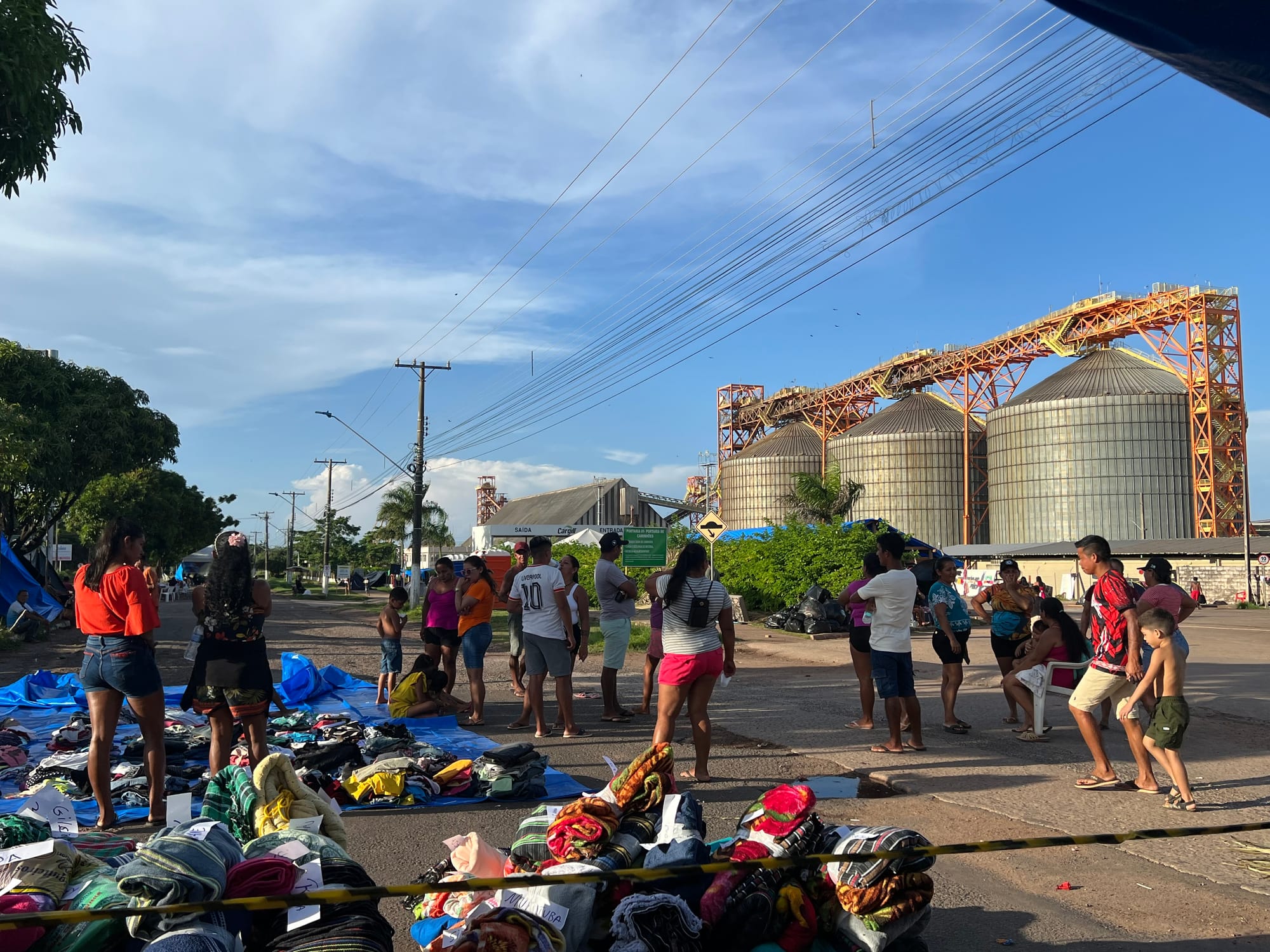
On Sunday, a higher court overturned a Friday judicial order to “unblock” areas where Indigenous groups are blocking access to U.S. grain giant Cargill’s port facility in Santarém in the Brazilian Amazon. Protesters want to halt Brazil’s plans to dredge and privatize the Tapajós River.
Category:The Amazon
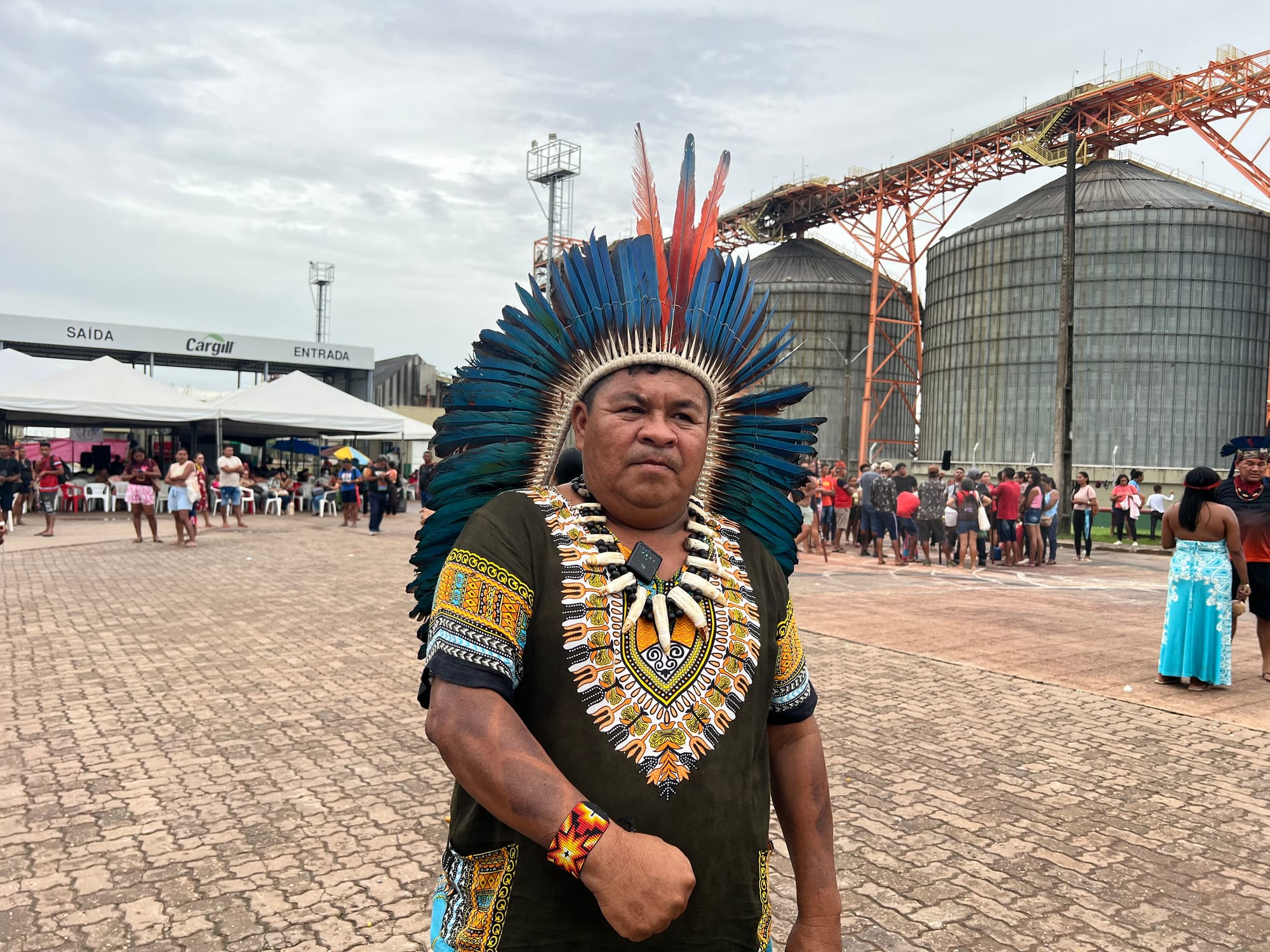
I interviewed Tupinambá Chief Gilson Tupinambá, who criticizes Cargill’s alleged role in driving plans to dredge and privatize the Tapajós River and defends the protests as a legitimate response to alleged violations of Indigenous and constitutional rights.
Category:The Amazon
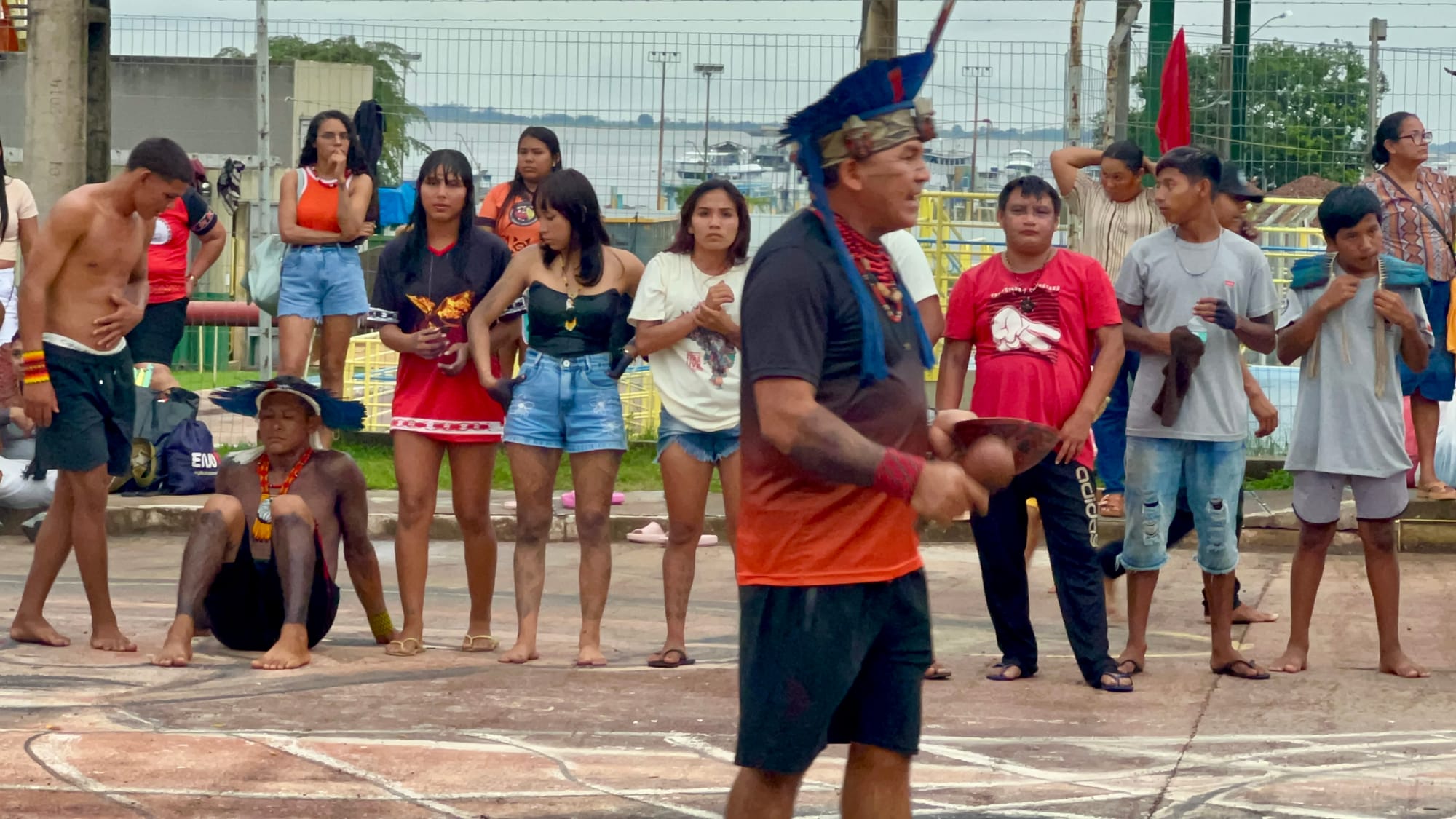
A judge on Friday ordered the removal, within 48 hours, of Indigenous protesters who for 3 weeks have vowed to stay in the grain loading area of US co. Cargill until plans to dredge and privatize the river are overturned. On the ground reporting
Category:The Amazon
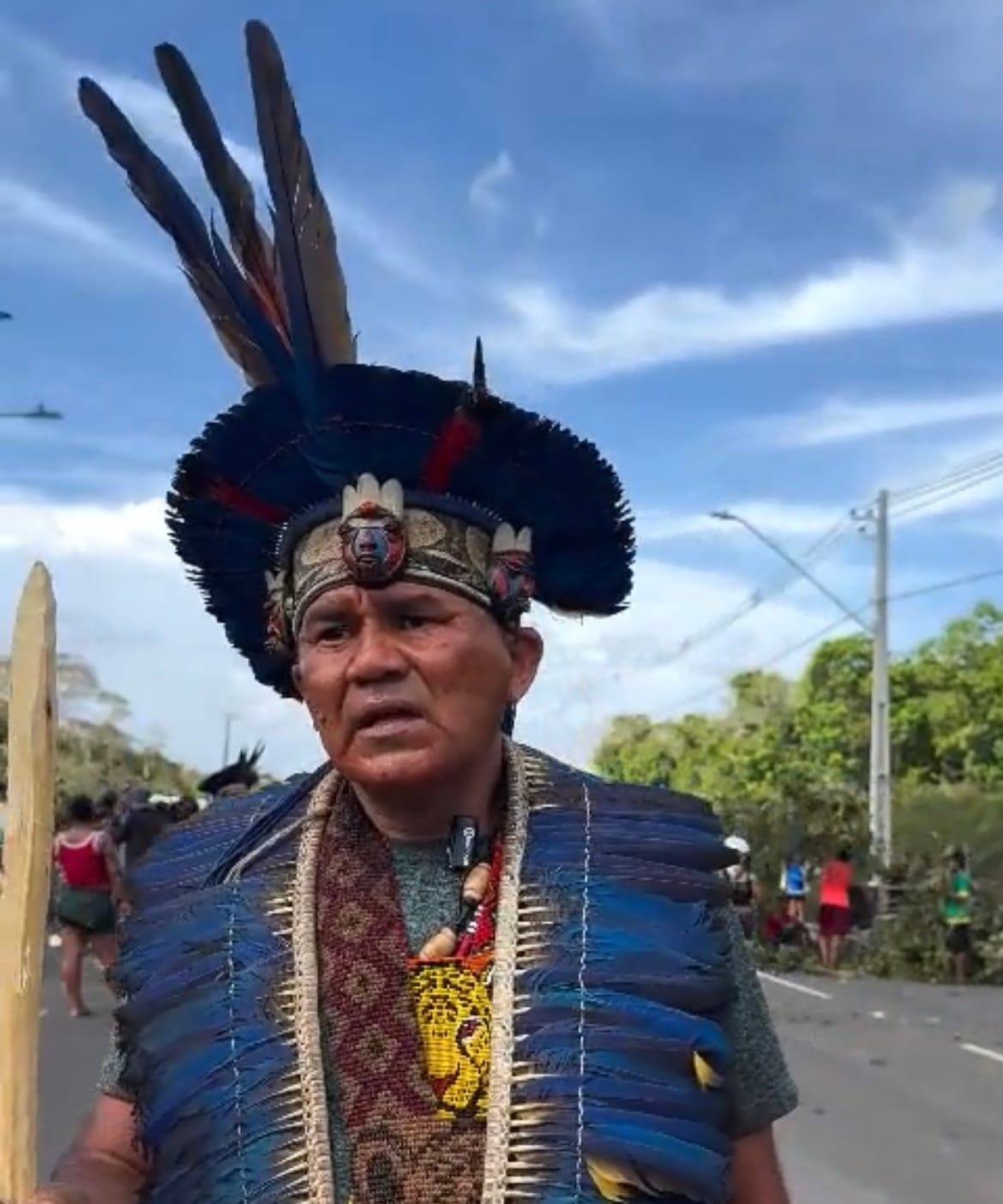
Shaman Nato of the Tupinimbá Indigenous people explains why, for 3 weeks, Indigenous protesters have blocked the port of U.S. grains giant Cargill in the Amazon. They say they won't leave until President Lula revokes a decree privatizing three Amazonian rivers.
Category:The Amazon
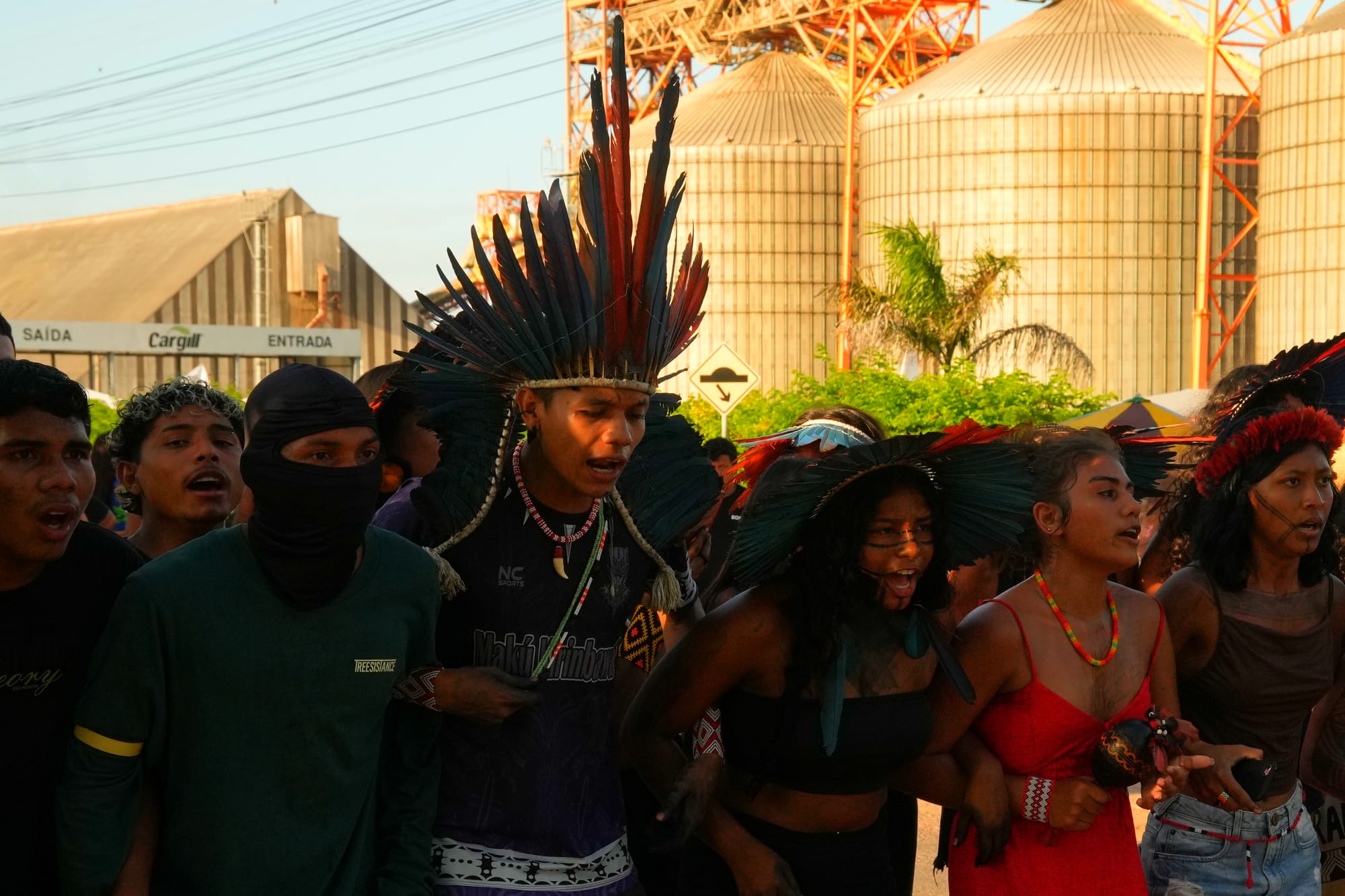
Since Jan. 22, Indigenous protesters have occupied Cargill’s port in Santarém, Brazil, blocking soy exports in protest over a government plan to dredge the Tapajós River without consultation or environmental licensing.
Category:Arts of the Amazon
Carnival is coming. I’ve been following Bole Bole Samba School through rehearsals in Belém, Brazilian Amazon. Three-time champions—can they get a fourth? In Guamá, I ducked out of my spot to film the different groups. Tell me your favorite.
Category:The Amazon
Category:The Amazon
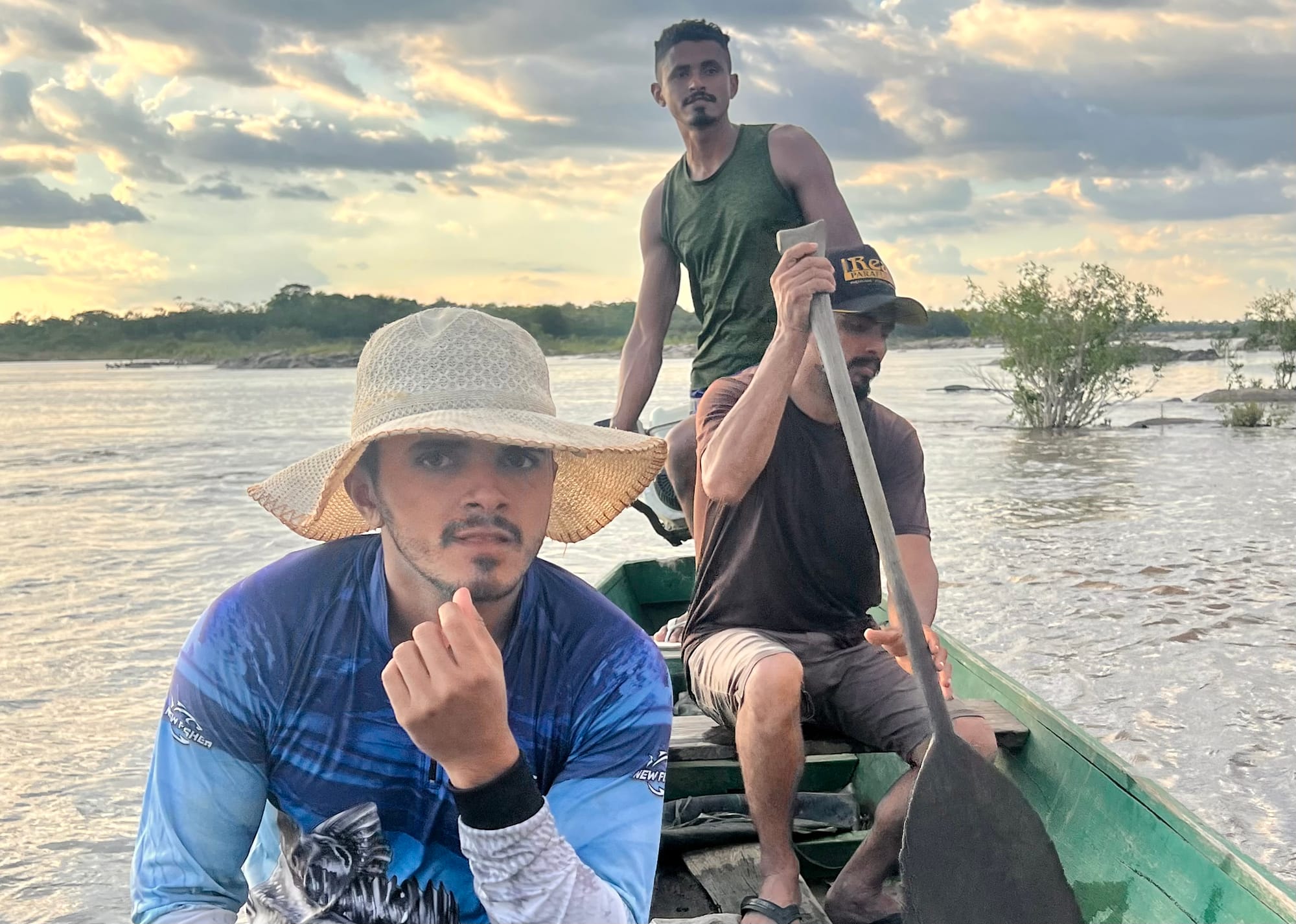
Brazil has licensed explosions of the Lourenção Rocks, a vital Amazon fishery and biodiversity refuge, as part of plans to open the Tocantins River to agribusiness shipping. Riverfolk who depend on the area say their rights were violated and they were never consulted.